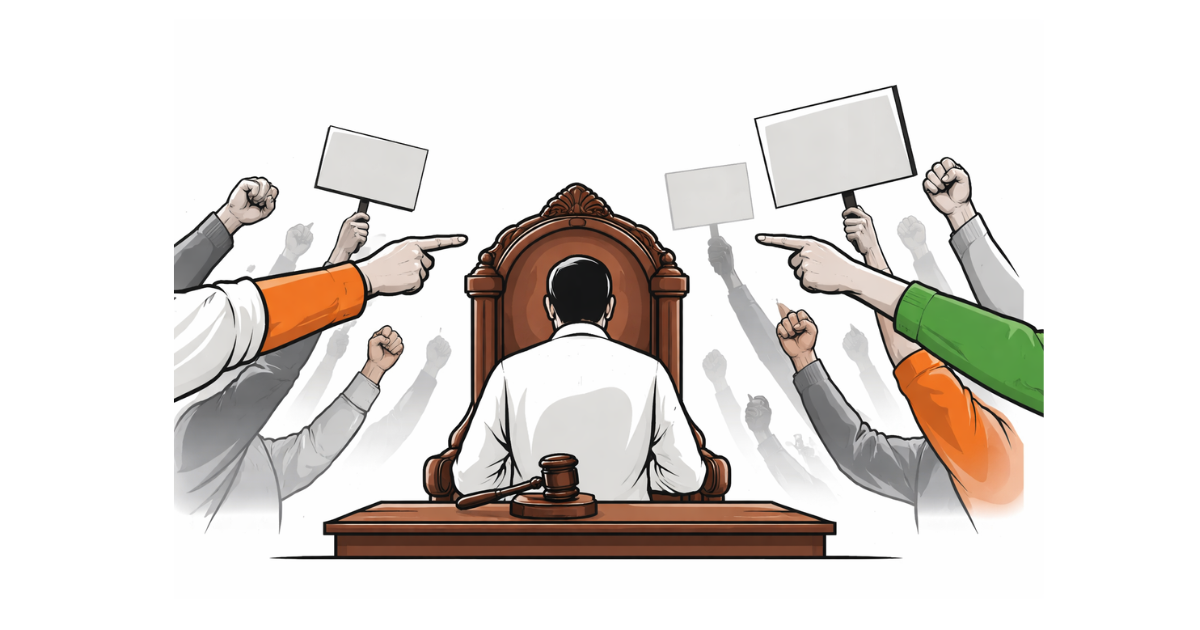
The Opposition has moved a no-confidence motion against Lok Sabha Speaker Om Birla, triggering fresh political tension in Parliament. The move comes amid rising protests inside the House and strong allegations from several Opposition parties about the functioning of the Chair.
The development is significant because a motion against the Speaker is rare and reflects deep political disagreement. The Speaker is expected to remain neutral and ensure smooth functioning of the Lok Sabha. When the Opposition challenges that neutrality, it becomes a major parliamentary issue.
What Is a No-Confidence Motion Against the Speaker?
A no-confidence motion against the Lok Sabha Speaker is a formal notice given by Members of Parliament (MPs) stating that they no longer have faith in the Speaker’s functioning.
Under parliamentary rules, a notice must be submitted in writing. It requires the support of a minimum number of MPs to be admitted. If admitted, it is taken up for discussion and voting. The Speaker cannot preside over the House during the discussion on the motion against him.
If the motion is passed by a majority of members present and voting, the Speaker has to step down.
Such motions are rare in India’s parliamentary history. This makes the current move politically important.
Why Has the Opposition Moved the Motion?
Allegations of Bias in Running the House
Opposition parties have accused Speaker Om Birla of allowing the government to function without proper debate on key issues. They claim that important discussions were not given enough time. Opposition MPs were frequently suspended. Questions raised by the Opposition were not allowed or were delayed.
The Opposition says the Chair must act as a neutral authority and ensure equal opportunity for all sides.
Suspension of Opposition MPs
One of the major triggers has been the suspension of several Opposition MPs during recent sessions. The Opposition alleges that suspensions were excessive and targeted.
They argue that mass suspensions reduce the strength of the Opposition and weaken democratic debate.
Demand for Discussions on Key National Issues
Opposition leaders have repeatedly demanded discussions on issues such as internal security concerns, economic slowdown and inflation, unemployment, and alleged irregularities in government policies.
They claim that the Chair did not allow structured debates under specific rules that ensure detailed discussion and voting.
Government’s Stand on the Motion
The ruling party has rejected the allegations. Government leaders have defended the Speaker, saying the Chair has acted strictly according to the rules. They argue that disruptions by Opposition members forced disciplinary action. They also say the Speaker has given enough opportunities for discussion.
They have described the no-confidence motion as politically motivated.
According to the government, repeated disruptions inside the House made it difficult to conduct normal business. They say action against members was taken only after warnings.
Political Context: Why This Matters Now
The motion comes at a time when Parliament has witnessed several heated exchanges between the treasury benches and the Opposition.
Tensions have increased over legislative bills passed amid protests, allegations of limited debate time, and differences over procedural rules.
With general political competition intensifying, the no-confidence motion adds another layer to the confrontation.
The timing is important. When Parliament sessions are already tense, a motion against the Speaker signals a breakdown in trust between the Opposition and the Chair.
What Happens Next? Parliamentary Procedure Explained
Once the notice is submitted, it must meet the required support threshold. The House must schedule a discussion. The Deputy Speaker or another member presides during the debate. Voting takes place.
For the motion to succeed, it requires a majority of members present and voting.
Given the current strength of the ruling alliance in the Lok Sabha, political observers believe the motion may face difficulty in passing. However, even if it does not succeed, it serves as a strong political message.
Has This Happened Before? A Rare Step in Parliament
Motions against Speakers are not common in India.
Historically, Speakers have been expected to maintain strict neutrality after election. Once elected, they generally resign from active party roles.
Bringing a motion against the Speaker is often seen as an extreme step taken only when political disagreements deepen.
The current move reflects the level of friction between the government and the Opposition.
Opposition’s Larger Strategy
Political analysts believe the motion is not just about the Speaker. It may also be part of a broader strategy to highlight concerns about parliamentary functioning, mobilise public opinion, and put pressure on the government ahead of upcoming political events.
By moving the motion, the Opposition ensures a formal debate on the conduct of the Chair. This allows them to put their concerns on record.
Impact on Parliament’s Functioning
The move could affect the functioning of the House in several ways. There could be more heated debates during upcoming sessions. There may be adjournments due to protests. Legislative business could slow down.
If tensions continue, productivity of the session could be affected.
However, it could also open space for structured discussion and negotiation between parties.
Public and Constitutional Significance
The Speaker of the Lok Sabha plays a key constitutional role. The office is responsible for maintaining order in the House, deciding on procedural matters, certifying bills including money bills, and interpreting parliamentary rules.
Any challenge to the Speaker’s authority has constitutional importance.
For citizens, the issue raises larger questions about how Parliament functions and how effectively different voices are heard.
Key Facts at a Glance
Motion Type: No-confidence motion against the Lok Sabha Speaker
Speaker Concerned: Om Birla
Reason Cited: Alleged bias and suspension of Opposition MPs
Requirement: Majority support in the Lok Sabha
Outcome: Yet to be decided
Will the Motion Succeed? Political Arithmetic
The success of the motion depends on numbers.
If the ruling alliance has a clear majority, defeating the motion becomes easier. However, if there are internal differences or abstentions, the numbers could tighten.
At present, there is no official indication that members of the ruling side plan to support the motion.
Political observers say the motion is unlikely to pass, but it will generate strong debate.
What This Means for Indian Democracy
The development underlines the importance of parliamentary procedures in a democracy.
Healthy debate is central to Parliament’s role. When disputes reach the level of a no-confidence motion against the Speaker, it reflects serious disagreement.
At the same time, such motions are part of democratic processes. They allow elected representatives to formally express concerns.
The coming days will show whether dialogue improves or tensions rise further.
Conclusion
The no-confidence motion against Lok Sabha Speaker Om Birla marks a significant moment in the current political climate.
The Opposition says it is standing up for parliamentary fairness. The government says the Speaker has followed rules and that disruptions forced action.
The outcome may not change the numbers in the House. But the debate will shape how Parliament functions in the coming sessions.
For Indian democracy, the focus now shifts to whether discussions inside the Lok Sabha can return to constructive debate or whether political confrontation will continue to dominate proceedings.
As the House prepares to take up the motion, all eyes will be on the numbers, the arguments presented, and the tone of the debate.
Disclaimer: The information presented in this article is intended for general informational purposes only. While every effort is made to ensure accuracy, completeness, and timeliness, data such as prices, market figures, government notifications, weather updates, holiday announcements, and public advisories are subject to change and may vary based on location and official revisions. Readers are strongly encouraged to verify details from relevant official sources before making financial, investment, career, travel, or personal decisions. This publication does not provide financial, investment, legal, or professional advice and shall not be held liable for any losses, damages, or actions taken in reliance on the information provided.
About The Author