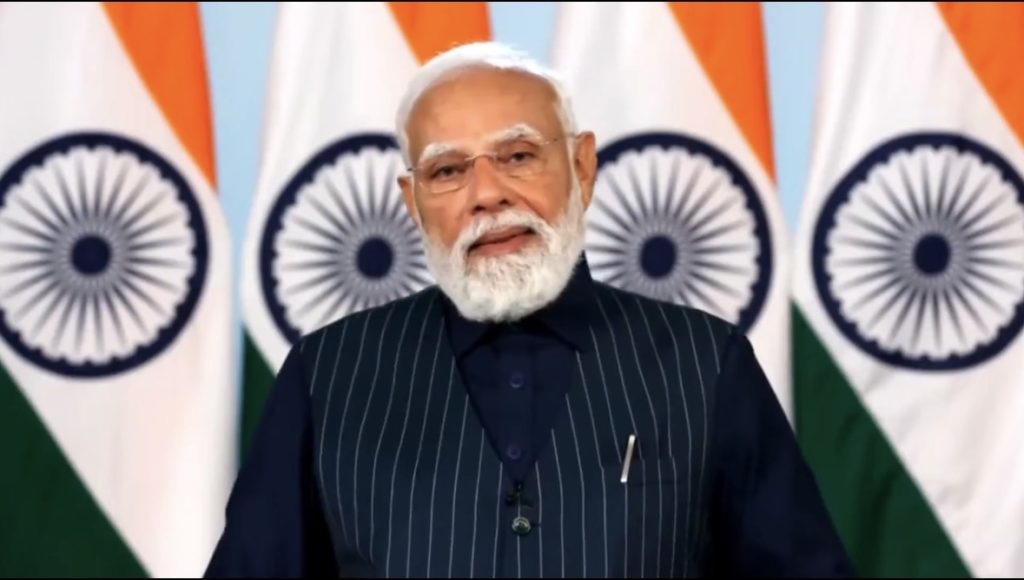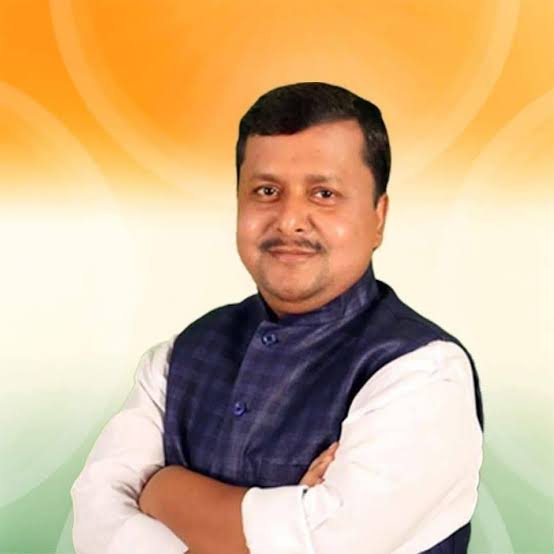
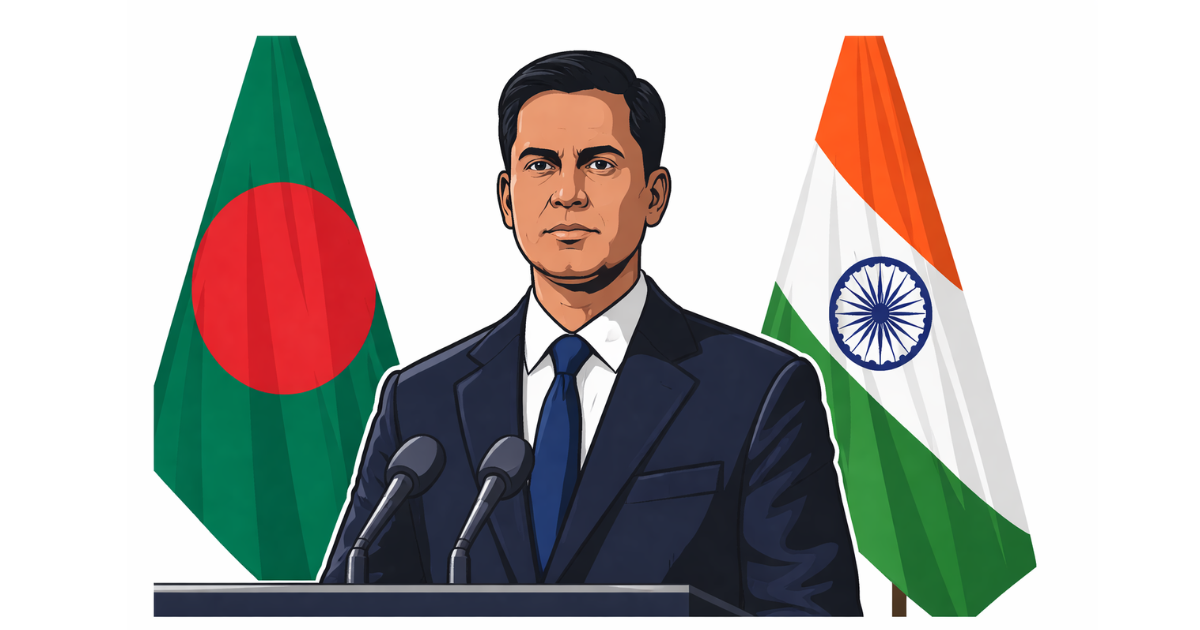
Tarique Rahman has taken oath as the new Prime Minister of Bangladesh, marking a major political shift in Dhaka. The development is being closely watched in New Delhi, as India and Bangladesh share deep economic, security and cultural ties.
The political transition comes at a time when South Asia is facing economic challenges, regional security concerns and rising geopolitical competition. For India, Bangladesh is not just a neighbour — it is a key strategic partner in the eastern region.
Here is a detailed look at what Tarique Rahman’s leadership could mean for India-Bangladesh relations and the wider region.
Who Is Tarique Rahman?
Tarique Rahman is a senior leader of the Bangladesh Nationalist Party (BNP). He is also the son of former Prime Minister Khaleda Zia.
For years, he has been a central figure in Bangladesh’s opposition politics. His elevation to the top post marks a turning point in the country’s political journey.
Political analysts say his leadership style, party ideology and policy direction will shape Bangladesh’s domestic and foreign policy choices in the coming years.
Why This Political Transition Matters for India
India and Bangladesh share a 4,096-kilometre-long border, one of the longest land borders India has with any country. The two nations also share rivers, trade routes, energy links and strong people-to-people ties.
Over the past decade, relations between New Delhi and Dhaka improved significantly. Cooperation expanded in areas such as:
Trade and connectivity
Border management
Counter-terrorism coordination
Power and energy supply
Infrastructure development
India sees Bangladesh as a key partner in its “Neighbourhood First” policy and the larger Act East strategy.
A change in leadership in Dhaka naturally raises questions about continuity in these areas.
Trade and Economic Ties: What Could Change?
India is one of Bangladesh’s largest trading partners. Bilateral trade has crossed $15 billion in recent years.
Bangladesh exports garments, jute and leather products to India. In return, India supplies fuel, food grains, machinery and raw materials.
Under previous governments, trade barriers were reduced and new rail and road routes were opened.
The key question now is whether Tarique Rahman’s government will maintain the same level of economic engagement.
Economic experts believe both countries have strong reasons to continue cooperation. Bangladesh relies on India for energy supply and transit connectivity. India benefits from access to Bangladeshi markets and improved connectivity to its northeastern states.
Any disruption could affect supply chains and border economies on both sides.
Security Cooperation and Border Management
Security cooperation has been one of the strongest pillars of India-Bangladesh ties.
In recent years, intelligence sharing improved, and action was taken against insurgent groups operating near the border.
Border incidents have reduced compared to earlier decades, though issues still arise from time to time.
India will be watching closely to see whether the new government continues strict cooperation against cross-border terrorism and illegal activities.
Stability in Bangladesh is crucial for peace in India’s northeastern region.
Water Sharing and River Agreements
River water sharing has been a sensitive issue between the two countries.
Several rivers, including the Teesta, flow from India into Bangladesh. Agreements on water distribution have often faced political hurdles.
Bangladesh has repeatedly raised the need for a fair deal on water sharing.
With a new government in place, negotiations on pending river agreements could either move forward or face fresh political debate.
For India, managing water diplomacy carefully will remain important.
Regional Politics and China Factor
Bangladesh has grown economically over the last decade. It has also strengthened ties with global powers, including China.
China has invested in infrastructure projects in Bangladesh, including ports and power plants.
India has tried to balance this by increasing its own investments and development projects in the country.
The new leadership’s foreign policy choices will influence the strategic balance in South Asia.
New Delhi will be keen to ensure that Bangladesh remains a friendly partner and does not drift away in strategic matters.
People-to-People Ties and Cultural Links
India and Bangladesh share deep historical and cultural connections.
The two nations have common linguistic and cultural bonds, especially in West Bengal and parts of Bangladesh.
Tourism, medical travel and education links have grown in recent years.
Thousands of Bangladeshi citizens visit India every year for medical treatment and education.
Maintaining smooth visa policies and travel arrangements will be key to sustaining these ties.
Political Stability in Bangladesh: Why It Matters
Political stability in Bangladesh is important for regional growth.
Bangladesh is one of South Asia’s fastest-growing economies. It has made progress in manufacturing, exports and poverty reduction.
Any prolonged political tension or unrest could impact economic performance and investor confidence.
India has a clear interest in a stable and prosperous Bangladesh.
Initial Signals from New Delhi
India has historically engaged with governments across party lines in neighbouring countries.
Diplomatic channels are expected to remain open.
New Delhi’s immediate focus will likely be on ensuring continuity in trade, security and connectivity agreements.
Observers say early meetings between top officials from both sides will set the tone for future engagement.
What Lies Ahead for India-Bangladesh Relations
Much will depend on how the new government balances domestic political priorities with foreign policy commitments.
If existing agreements are respected and cooperation continues, ties may remain stable.
However, if there is a shift in strategic orientation or economic policy, it could lead to a period of recalibration.
India’s approach will likely be pragmatic. Engagement, dialogue and economic cooperation are expected to remain key tools.
Why Indian Readers Should Watch This Development
For India, Bangladesh is more than just a neighbouring country.
It is a gateway to Southeast Asia. It is a partner in regional security. It is also an important economic ally.
Changes in Dhaka directly affect border states such as West Bengal, Assam and Tripura.
Trade flows, border security, water agreements and connectivity projects all depend on steady bilateral ties.
As Tarique Rahman begins his term as Prime Minister, the coming months will be crucial in shaping the next phase of India-Bangladesh relations.
The transition represents both uncertainty and opportunity.
For now, both sides appear aware that cooperation serves their national interests.
The real test will be whether political change leads to policy continuity or policy shift.
Indian policymakers, businesses and citizens will be watching closely.
The direction taken by Bangladesh’s new leadership could influence South Asia’s political and economic landscape for years to come.
Disclaimer: The information presented in this article is intended for general informational purposes only. While every effort is made to ensure accuracy, completeness, and timeliness, data such as prices, market figures, government notifications, weather updates, holiday announcements, and public advisories are subject to change and may vary based on location and official revisions. Readers are strongly encouraged to verify details from relevant official sources before making financial, investment, career, travel, or personal decisions. This publication does not provide financial, investment, legal, or professional advice and shall not be held liable for any losses, damages, or actions taken in reliance on the information provided.
About The Author