India’s travel trends in 2026 show a clear shift. More urban families are choosing farms over malls, orchards over resorts, and village stays over crowded hill stations. Strawberry festivals in Maharashtra and Himachal Pradesh are drawing thousands of visitors this season. At the same time, agro-tourism or farm tourism is becoming one of the fastest-growing segments in domestic travel.
This change is not just about leisure. It reflects rising interest in local food, sustainable living, and rural experiences. With better roads, digital bookings, and social media visibility, farm tourism has moved from a niche activity to a mainstream weekend plan.
For Indian farmers, it is also a new income source. For travellers, it is a short and affordable escape.
Why Strawberry Festivals Are Attracting Urban Tourists
Strawberry festivals have become the face of India’s agro-tourism boom. The most popular celebrations take place in the hill regions where strawberries are grown during the winter and early summer months.
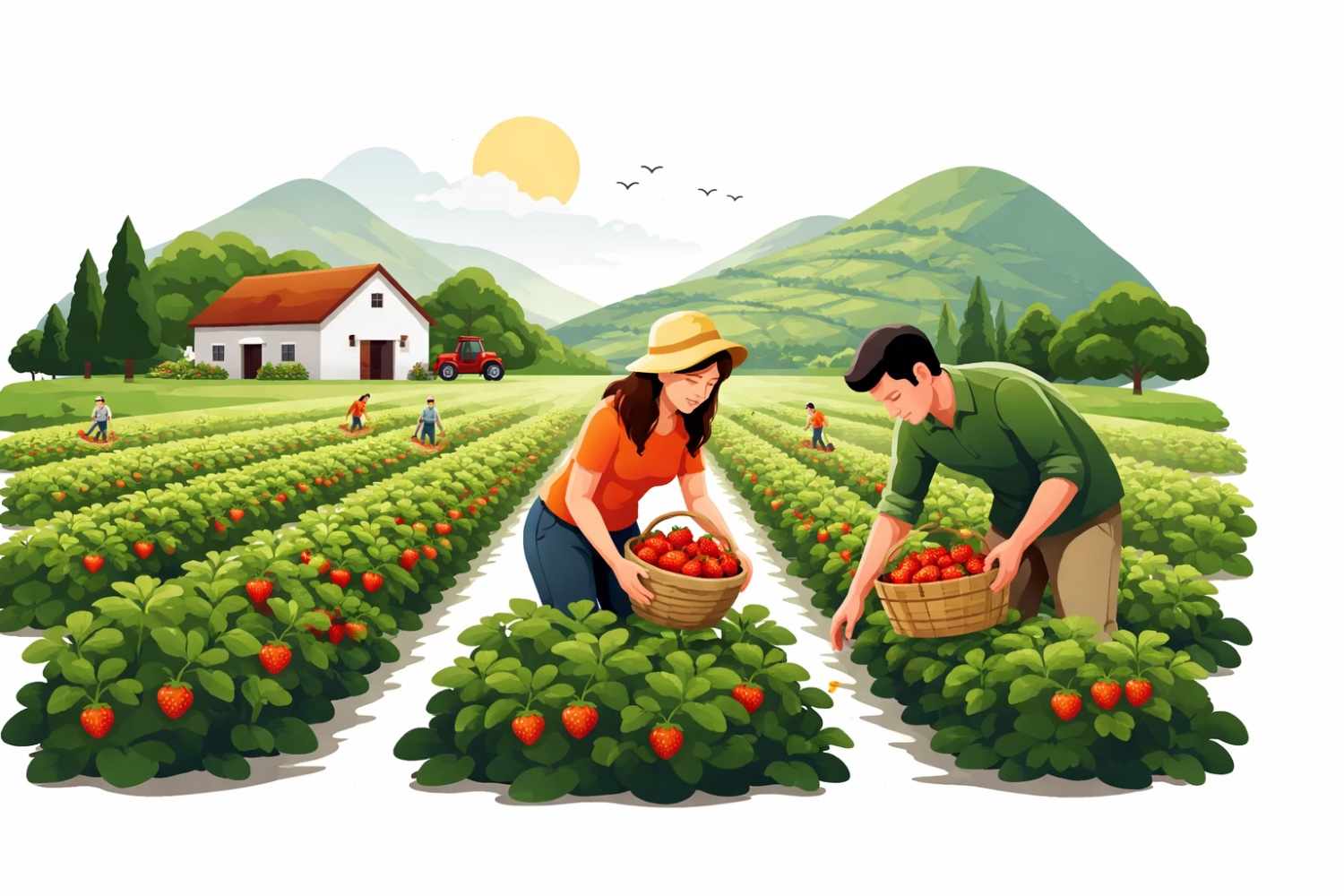
In Maharashtra, the hill town of Mahabaleshwar is widely known as India’s strawberry hub. The region supplies a large share of the country’s fresh strawberries. Every year during peak harvest season, farms open their gates to visitors. Tourists can walk through fields, pluck strawberries, taste fresh cream desserts, and buy farm-made products like jams and syrups.
Similarly, parts of Shimla and nearby districts in Himachal Pradesh have been promoting strawberry cultivation along with tourism. In these areas, local farmers organise small farm events and direct fruit sales.
The popularity of these festivals is driven by three main factors. First, strawberries are seasonal and fresh farm visits offer a direct-from-field experience. Second, social media plays a strong role. Images of red strawberry fields attract young travellers. Third, farm visits are affordable. Many farms charge a modest entry fee and allow visitors to pay only for what they pick.
Families from Mumbai, Pune, Delhi, and Chandigarh often plan short two-day trips during harvest months. The idea of “pick your own fruit” has strong appeal among children and first-time farm visitors.
What Is Agro-Tourism and Why It Matters in 2026
Agro-tourism refers to tourism activities that take place on working farms. It includes farm stays, fruit picking, bullock cart rides, organic farming workshops, rural cooking sessions, and village life experiences.
In India, agro-tourism is not new. However, it gained visibility after state tourism departments and agricultural universities began promoting it as an income support model for farmers.
Maharashtra is considered a pioneer in structured agro-tourism promotion. Over the past decade, several farm owners near Pune, Nashik, and Kolhapur have developed basic stay facilities and guided farm tours. These are not luxury resorts. Most offer simple rooms, local meals, and hands-on farm activities.
The trend accelerated after the pandemic years when travellers began looking for open spaces and low-crowd destinations. In 2026, that preference remains strong.
Experts say agro-tourism supports two major goals. It gives farmers an extra income stream beyond crop sales. At the same time, it connects city residents with agriculture, food production, and rural life.
How State Governments Are Supporting Farm Tourism
Several state governments now include agro-tourism in their tourism and rural development plans.
In Maharashtra, agro-tourism centres are registered under specific guidelines to ensure safety and hygiene. Farmers receive basic training in hospitality and visitor management.
In Himachal Pradesh and Uttarakhand, orchard tourism is being promoted alongside apple and strawberry farming. Visitors can stay in homestays and take part in seasonal harvesting.
Southern states are also active. In parts of Karnataka and Tamil Nadu, farm stays offer experiences around coffee plantations, spice gardens, and traditional farming.
While official numbers vary by state, tourism departments have acknowledged steady growth in farm visit enquiries since 2023. The increase is largely domestic. Most visitors are Indian families and student groups.
Why Urban Indians Are Choosing Farm Holidays
The demand side of agro-tourism is shaped by changing lifestyles.
First, there is rising awareness about food sources. Many urban children have never seen crops being grown. Farm visits provide a simple learning experience.
Second, weekend travel has become common among working professionals. Instead of long-distance travel, people prefer nearby destinations within a few hours’ drive.
Third, the cost factor matters. Compared to luxury resorts or international travel, farm stays are budget-friendly. Many charge per-person packages that include meals and activities.
Fourth, health and wellness trends are influencing choices. Farm tourism often includes fresh food, outdoor walks, and chemical-free farming awareness.
This shift aligns with a broader global interest in sustainable and responsible tourism. Indian travellers are increasingly open to experiences that are local and environment-friendly.
Economic Benefits for Farmers
For farmers, agro-tourism is not just a trend. It is an economic strategy.
Agriculture income can fluctuate due to weather, market prices, and input costs. Farm tourism adds a second source of earnings. Revenue may come from entry fees, farm tours, product sales, and accommodation.
In strawberry-growing regions like Mahabaleshwar, direct fruit sales to tourists often bring better margins than wholesale markets. Visitors are willing to pay for freshness and experience.
Some farmers also sell value-added products such as homemade jams, crushes, pickles, and dried fruits. These small businesses help rural households diversify income.
However, experts caution that agro-tourism requires planning. Safety measures, clean toilets, waste management, and clear pricing are essential. Without proper systems, the model may not be sustainable.
The Role of Social Media and Digital Platforms
Social media platforms have played a strong role in pushing agro-tourism into the mainstream.
Short videos of strawberry picking, tractor rides, and farm lunches receive high engagement. Influencers and travel bloggers often promote weekend farm trips.
At the same time, online booking platforms have simplified reservations. Many farm stays now accept digital payments and pre-bookings. This has reduced uncertainty for visitors.
Search trends show that keywords such as “strawberry festival India,” “farm stay near me,” and “agro tourism Maharashtra” see seasonal spikes during harvest months.
For news websites and digital publishers, this creates strong SEO potential around seasonal farm events.
Challenges Facing Agro-Tourism in India
Despite growth, agro-tourism still faces challenges.
Infrastructure remains uneven. Not all rural roads are well maintained. Public transport access is limited in many farm areas.
There is also a need for proper training. Farmers must balance agricultural work with visitor management. Food safety and insurance coverage are important issues.
Environmental impact is another concern. Large crowds during festival weekends can create waste problems if not handled properly.
Experts suggest that small-group tourism and pre-booking systems can help manage visitor flow.
Outlook for 2026 and Beyond
In 2026, farm tourism in India is expected to remain strong, especially during harvest seasons. Strawberry festivals will continue to attract urban families looking for short, experiential trips.
As more states promote rural tourism, agro-tourism may expand beyond strawberries to include mango orchards, tea gardens, spice farms, and organic vegetable fields.
The long-term success of this sector will depend on responsible practices, transparent pricing, and cooperation between farmers and tourism authorities.
For Indian travellers, the appeal is simple. Farm tourism offers fresh air, fresh food, and a break from city noise. For farmers, it offers stability in uncertain markets.
Strawberry festivals are more than colourful weekend events. They represent a deeper shift in how Indians travel, eat, and connect with the land in 2026.
Disclaimer: The information presented in this article is intended for general informational purposes only. While every effort is made to ensure accuracy, completeness, and timeliness, data such as prices, market figures, government notifications, weather updates, holiday announcements, and public advisories are subject to change and may vary based on location and official revisions. Readers are strongly encouraged to verify details from relevant official sources before making financial, investment, career, travel, or personal decisions. This publication does not provide financial, investment, legal, or professional advice and shall not be held liable for any losses, damages, or actions taken in reliance on the information provided.
Edited by D Rishidhar Reddy
About The Author