India’s automobile industry is entering a decisive phase in 2026. Electric vehicle adoption is rising steadily. Connected car features are becoming common even in mid-range models. Stricter emission rules and policy support are reshaping production plans. For buyers, this means more choices. For manufacturers, it means faster transformation.
The Indian car market is no longer driven only by fuel prices or festive demand. Technology, sustainability, and digital features now play a central role. As the country pushes toward cleaner mobility and smarter transport systems, 2026 is shaping up to be a year of structural change rather than just sales growth.
EV Adoption Gains Momentum in 2026
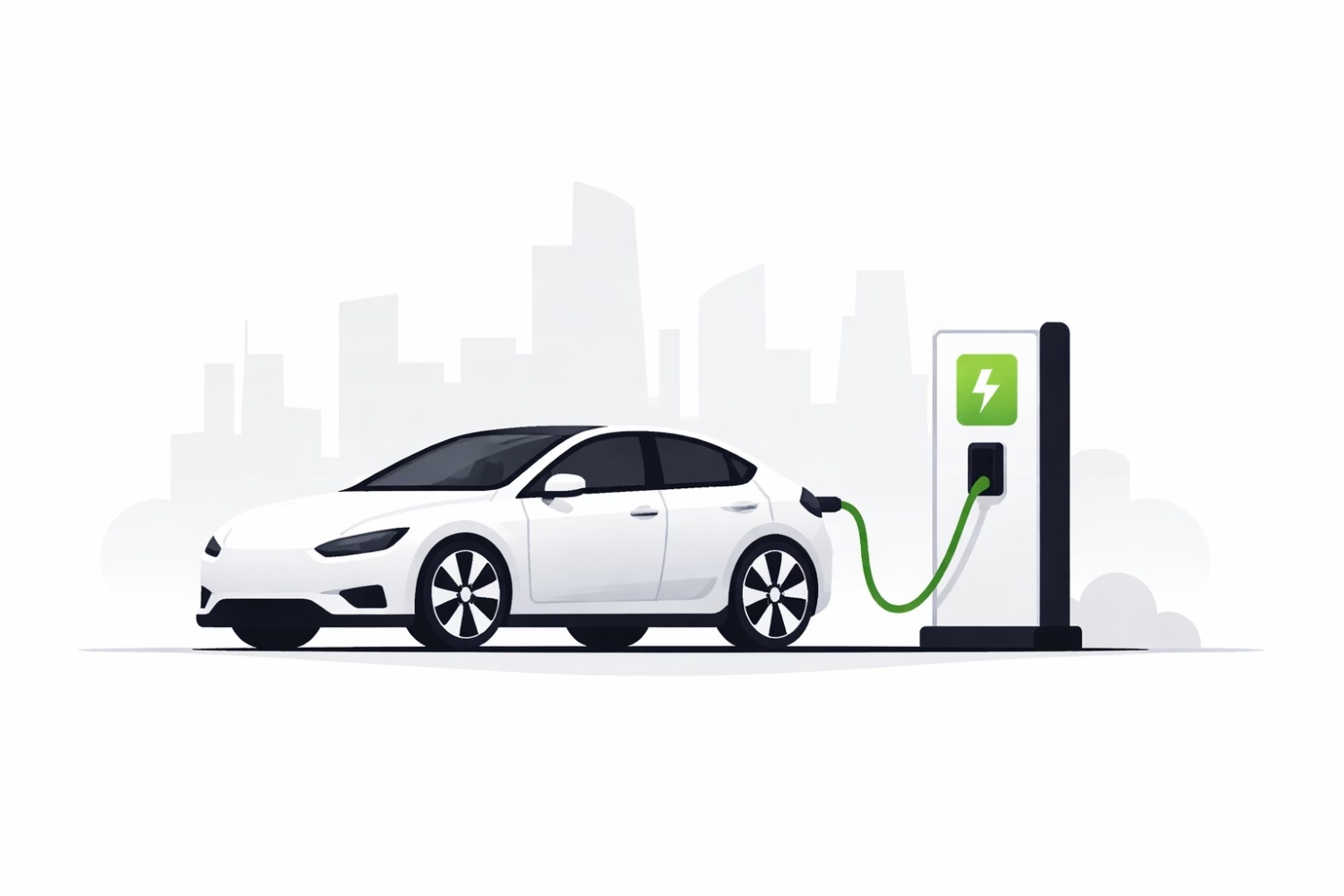
Electric vehicles are no longer limited to premium buyers. Over the past few years, adoption has expanded due to policy support, falling battery costs, and improved charging infrastructure.
Under the government’s Faster Adoption and Manufacturing of Electric Vehicles scheme, commonly known as FAME, incentives helped reduce the upfront cost of EVs. In addition, the Production Linked Incentive scheme for Advanced Chemistry Cell batteries aims to boost domestic battery manufacturing. This reduces import dependence and improves long-term price stability.
In 2026, electric two-wheelers and three-wheelers continue to lead in volume. However, electric passenger vehicles are seeing steady growth, especially in urban markets such as Delhi, Mumbai, Bengaluru, and Hyderabad.
Major automakers including Tata Motors, Mahindra & Mahindra, and Hyundai Motor India are expanding their EV portfolios. Global EV leader Tesla has also shown interest in the Indian market, reflecting growing international confidence.
Consumers are now comparing charging range, battery warranty, and software features alongside traditional factors like mileage and resale value. This shift signals that EVs are moving from niche to mainstream.
Charging Infrastructure Expands Across Cities and Highways
One of the biggest barriers to EV growth has been charging access. In 2026, public charging stations are increasing in metro cities and on major highways.
Oil marketing companies and private energy firms are investing in fast-charging networks. State governments are also offering incentives to set up charging hubs in residential and commercial areas.
The focus is not just on numbers but also on reliability and standardisation. Interoperability between charging networks and digital payment systems is improving. This makes EV ownership more practical for daily commuters and long-distance travellers.
While rural charging networks are still developing, urban India is witnessing visible improvement. This is a key factor behind rising consumer confidence.
Hybrid Technology Makes a Strong Comeback
Alongside EVs, hybrid vehicles are gaining renewed interest. Strong hybrids offer better fuel efficiency without range anxiety. This appeals to buyers who are not yet ready to switch fully to electric.
Companies such as Toyota Kirloskar Motor and Maruti Suzuki India have focused on hybrid models to bridge the transition period.
Hybrids are especially popular in cities where traffic congestion increases fuel consumption. They also align with stricter emission targets without requiring charging infrastructure.
In 2026, the market is not a simple petrol versus electric story. It is a mix of petrol, diesel, CNG, hybrid, and electric options, giving buyers flexibility.
Connected Cars and Smart Features Become Standard
Technology is reshaping the driving experience. Connected car features are now available in mid-range vehicles, not just luxury models.
Features such as remote engine start, live vehicle tracking, over-the-air software updates, and voice assistants are becoming common. Infotainment screens are larger, and digital instrument clusters are more advanced.
Automakers like Maruti Suzuki India and Tata Motors are integrating smartphone connectivity and app-based vehicle management into new launches.
Safety technology is also evolving. Advanced driver assistance systems, including lane assist and collision alerts, are slowly entering higher variants of mass-market cars. With increasing awareness about road safety, buyers are willing to pay more for such features.
The shift toward software-defined vehicles means that cars are no longer static products. Updates can improve performance and add features even after purchase.
Stricter Emission and Safety Norms Drive Change
Regulation remains a key force behind industry transformation. India has already adopted Bharat Stage VI emission standards. Further tightening of norms is pushing manufacturers to invest in cleaner engines and alternative powertrains.
Crash safety standards have also become stricter. New car assessment programmes are influencing consumer decisions. Buyers now check safety ratings before making a purchase.
This regulatory push is increasing production costs. However, it is also improving overall vehicle quality and safety.
In 2026, compliance is not optional. It is central to product planning and investment strategy.
SUV Dominance Continues
Sport utility vehicles remain the most popular segment in India. Compact and mid-size SUVs dominate new launches.
Higher ground clearance, bold design, and spacious interiors make SUVs attractive for both urban and semi-urban buyers.
Even in the EV space, manufacturers are prioritising SUV body styles. This reflects strong consumer preference and higher profit margins for companies.
Sedans and hatchbacks still have a market, but growth is clearly stronger in the SUV category.
Digital Sales and Financing Models Expand
Car buying behaviour is changing. Many customers begin their journey online. Virtual showrooms, digital brochures, and online booking systems are now standard.
Financing options have also evolved. Subscription models and leasing are gaining attention in urban markets. These options allow customers to use a vehicle without long-term ownership commitment.
Banks and non-banking financial companies are offering faster loan approvals through digital platforms. This reduces paperwork and speeds up delivery timelines.
The combination of online research and offline experience is redefining dealership strategies in 2026.
Supply Chain and Local Manufacturing Focus
The auto industry has faced supply chain disruptions in recent years, especially related to semiconductors. In response, companies are focusing on localisation.
Government initiatives such as Make in India and PLI schemes aim to boost domestic manufacturing of components, including batteries and electronics.
Local production reduces exposure to global disruptions and currency fluctuations. It also supports job creation.
Manufacturers are investing in new plants and upgrading existing facilities to handle EV production and advanced electronics.
Rising Consumer Expectations
Today’s Indian car buyer is informed and demanding. Fuel efficiency remains important, but technology, safety, and environmental impact are equally critical.
Younger buyers prefer connected features and bold design. Families prioritise safety ratings and space. Fleet operators focus on operating cost and durability.
This diversity in expectations is pushing automakers to offer multiple variants and powertrain options under the same model line.
In 2026, brand loyalty is no longer guaranteed. Product value and after-sales service play a major role in repeat purchases.
What Lies Ahead for India’s Auto Market
The outlook for 2026 suggests steady but cautious growth. While global economic conditions can influence demand, domestic fundamentals remain strong.
Urbanisation, rising income levels, and infrastructure development continue to support vehicle demand. At the same time, sustainability goals are reshaping long-term strategy.
Electric vehicles will likely increase their share, especially in city use. Hybrids will remain relevant during the transition phase. Petrol and diesel models will continue to serve large segments, particularly in rural and highway markets.
The real transformation lies in technology integration. Cars are becoming digital platforms on wheels. Software, data, and connectivity will define future competition.
For India, 2026 is not just another year of sales numbers. It marks a deeper shift toward cleaner, smarter, and more connected mobility.
As policy, consumer demand, and technology move in the same direction, the Indian auto industry is preparing for a new era. Manufacturers that adapt quickly to electric mobility and digital innovation will shape the next decade of growth.
Disclaimer: The information presented in this article is intended for general informational purposes only. While every effort is made to ensure accuracy, completeness, and timeliness, data such as prices, market figures, government notifications, weather updates, holiday announcements, and public advisories are subject to change and may vary based on location and official revisions. Readers are strongly encouraged to verify details from relevant official sources before making financial, investment, career, travel, or personal decisions. This publication does not provide financial, investment, legal, or professional advice and shall not be held liable for any losses, damages, or actions taken in reliance on the information provided.
edited by D Rishidhar Reddy
About The Author