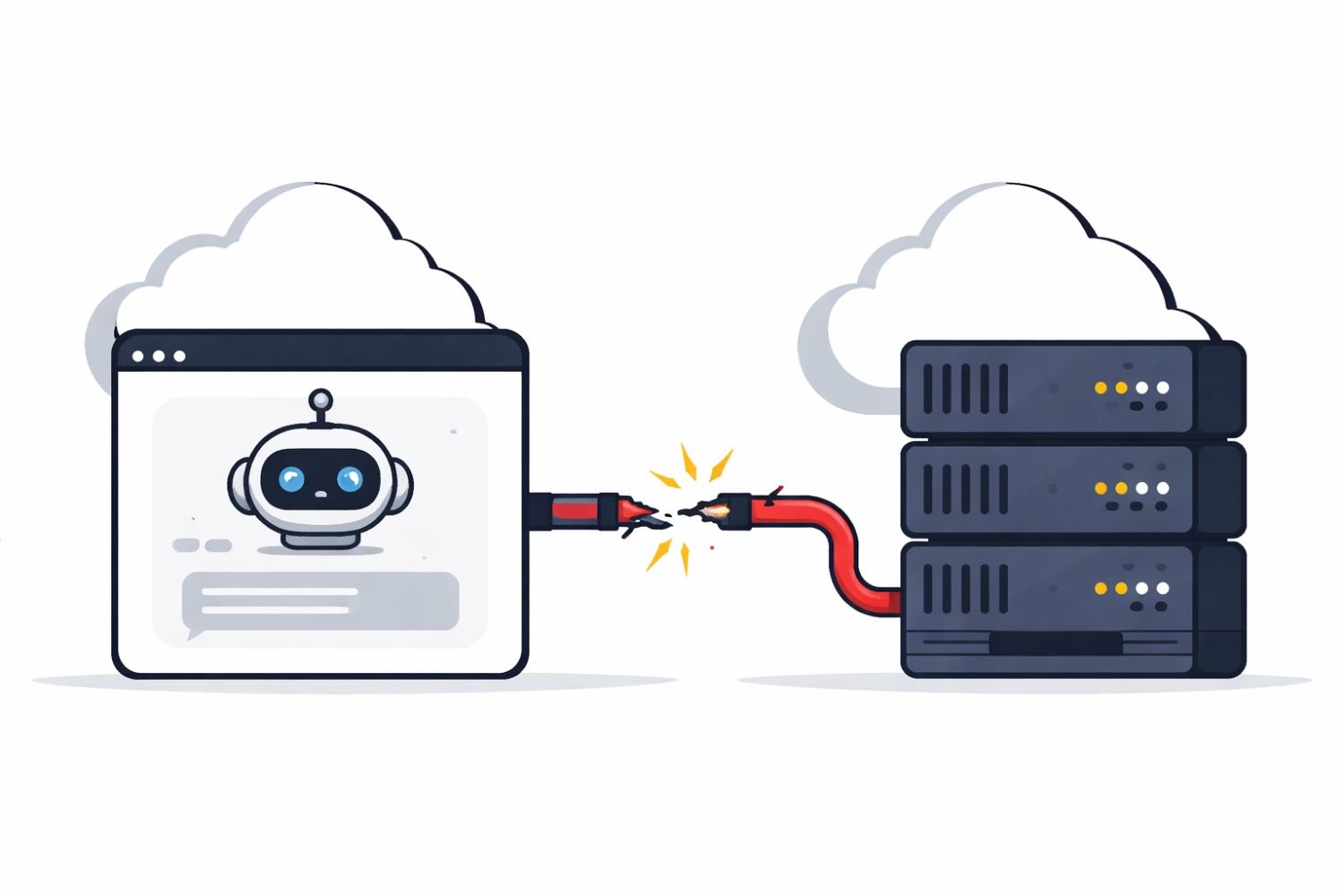
Artificial intelligence tools have become part of daily work for millions of people. But when a major AI platform goes offline, it quickly becomes a global talking point. Recently, users reported disruptions while accessing Claude AI, a popular conversational AI tool developed by Anthropic.
The outage triggered concerns among developers, startups, students, and businesses that rely on AI assistants for writing, coding, research, and productivity tasks.
For India — one of the fastest-growing AI markets — such disruptions raise an important question: How dependent are users on a single AI platform, and what alternatives exist when services go down?
This report explains the Claude AI outage, its impact on Indian users, and the best alternatives people are turning to.
What Is Claude AI and Why It Matters
Claude AI is an advanced artificial intelligence chatbot created by the AI research company Anthropic. It competes directly with other large language models used for writing, coding, analysis, and automation.
The platform is widely known for its ability to handle large documents and provide detailed reasoning. Many professionals rely on it for research, coding help, summarizing reports, and generating content.
Developers, startups, and research professionals use Claude AI for several tasks including coding assistance, summarizing long reports, analyzing data, and preparing documentation.
As artificial intelligence adoption grows rapidly across India, tools like Claude have become important productivity platforms.
Claude AI Outage: What Users Reported
Recently, many users across different regions reported problems while accessing Claude AI.
Some users experienced slow responses, while others reported failed outputs or temporary service errors. In several cases, users could log in but could not generate responses.
Reports about the disruption quickly spread across online forums and social media platforms where developers often share updates about AI tools.
Large AI systems depend on powerful infrastructure including cloud computing systems and advanced processing networks. Even a small issue within these systems can affect thousands of users at the same time.
Because of the scale at which AI models operate, outages can happen occasionally when systems face technical pressure.
Why AI Outages Are Becoming More Common
Artificial intelligence platforms today operate on extremely complex infrastructure. Large language models require significant computing power to process queries and generate responses.
One common cause of outages is heavy user traffic. When many users access the system simultaneously, the demand on servers increases dramatically.
Infrastructure upgrades can also temporarily interrupt services. Companies frequently update their models and backend systems to improve performance and safety.
Another factor is cloud infrastructure dependency. Most AI platforms rely on large cloud providers for computing power. If cloud systems face disruptions, AI services can also slow down or stop temporarily.
Sometimes new model deployments can also introduce temporary technical errors before systems stabilize.
For users, these issues appear as delayed responses, login problems, or temporary service interruptions.
Why the Outage Matters for India
India is rapidly becoming one of the largest users of artificial intelligence tools in the world.
Millions of developers, students, content creators, and startup teams rely on AI platforms every day. AI is used widely across sectors including education, software development, marketing, and business automation.
Because of this widespread use, even a short outage can affect thousands of professionals who depend on these tools to complete their work.
For example, developers often use AI assistants to debug code or write scripts. Students may use AI tools to summarize academic material. Marketing teams use AI platforms to draft content and analyze ideas.
When an AI service becomes unavailable, these workflows can slow down quickly.
This situation highlights the importance of having access to more than one AI platform.
Top AI Alternatives Users Are Switching To
When one AI service becomes unavailable, many users quickly switch to other platforms that offer similar capabilities.
ChatGPT
ChatGPT is one of the most widely used AI platforms in the world. It is popular for conversational responses, writing support, coding help, and research tasks. Many Indian developers and students use ChatGPT for everyday productivity.
Google Gemini
Google’s AI assistant has emerged as a strong competitor in the AI industry. Gemini integrates with Google services and provides AI support for document analysis, research queries, and productivity tasks.
Because many people already use Google tools for work and study, Gemini has become a convenient option.
Microsoft Copilot
Microsoft has integrated its AI assistant into many productivity tools such as Word, Excel, PowerPoint, and Windows systems.
This makes Copilot particularly useful for enterprise teams and corporate environments that already use Microsoft software.
Perplexity AI
Perplexity AI focuses on search-based answers and research queries. It is often used for fact-based responses and quick information lookups.
Students, journalists, and researchers frequently use it to explore topics and verify information.
Open-Source AI Models
Some developers prefer open-source AI models that can run locally or on private servers. These models give users more control over their systems and data.
Developers can customize open-source models for coding tasks, automation tools, or research applications.
The Growing Risk of AI Platform Dependency
The Claude outage highlights an important challenge in the AI ecosystem.
Many individuals and businesses depend heavily on a single AI platform. When that platform experiences downtime, productivity can be affected immediately.
Experts often recommend using multiple AI tools rather than relying on just one system.
This approach reduces risk and allows users to switch platforms whenever necessary.
Different AI systems also have different strengths. Some tools are better at coding, while others perform better in writing or research tasks.
Using multiple AI tools can therefore improve productivity and reliability.
India’s Rapid Rise as an AI Powerhouse
The conversation around AI outages comes at a time when India’s artificial intelligence ecosystem is expanding rapidly.
The country has a strong technology workforce and a growing number of startups building AI-powered products.
Government initiatives, private investment, and university research programs are also supporting AI development across India.
Technology companies are investing heavily in cloud infrastructure, AI training programs, and machine learning research.
As more professionals adopt AI tools, reliable access to these platforms becomes increasingly important.
How Users Can Stay Prepared During AI Downtime
Although outages cannot always be prevented, users can take simple steps to reduce disruption.
One useful strategy is to maintain access to more than one AI platform. If one service becomes unavailable, users can switch to another tool without interrupting their work.
Another important step is saving important documents and drafts locally instead of relying only on AI platforms.
Following official service status pages from AI providers can also help users understand when issues occur and when systems are restored.
Building workflows that combine AI tools with traditional productivity software can also ensure work continues smoothly.
What the Claude AI Outage Signals for the Future
Short outages do not necessarily reflect long-term platform reliability. However, they highlight how dependent modern workflows have become on artificial intelligence systems.
Technology companies are investing heavily in stronger infrastructure, faster AI chips, and better monitoring systems to improve stability.
These improvements aim to reduce outages and improve the reliability of AI services worldwide.
For users, the key lesson is simple. AI tools are extremely useful, but relying on a single platform can create risks when unexpected disruptions occur.
The Bottom Line
The recent Claude AI outage demonstrates how central artificial intelligence tools have become in daily work.
From software developers and students to entrepreneurs and researchers, millions of people rely on AI platforms every day.
While temporary outages are part of the technology landscape, they highlight the importance of flexibility and backup tools.
As India continues to expand its role in the global AI industry, reliable and accessible AI platforms will remain essential for productivity, innovation, and digital growth.
Disclaimer: The information presented in this article is intended for general informational purposes only. While every effort is made to ensure accuracy, completeness, and timeliness, data such as prices, market figures, government notifications, weather updates, holiday announcements, and public advisories are subject to change and may vary based on location and official revisions. Readers are strongly encouraged to verify details from relevant official sources before making financial, investment, career, travel, or personal decisions. This publication does not provide financial, investment, legal, or professional advice and shall not be held liable for any losses, damages, or actions taken in reliance on the information provided.
edited by D Rishidhar
About The Author