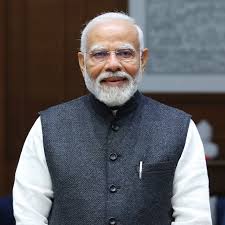
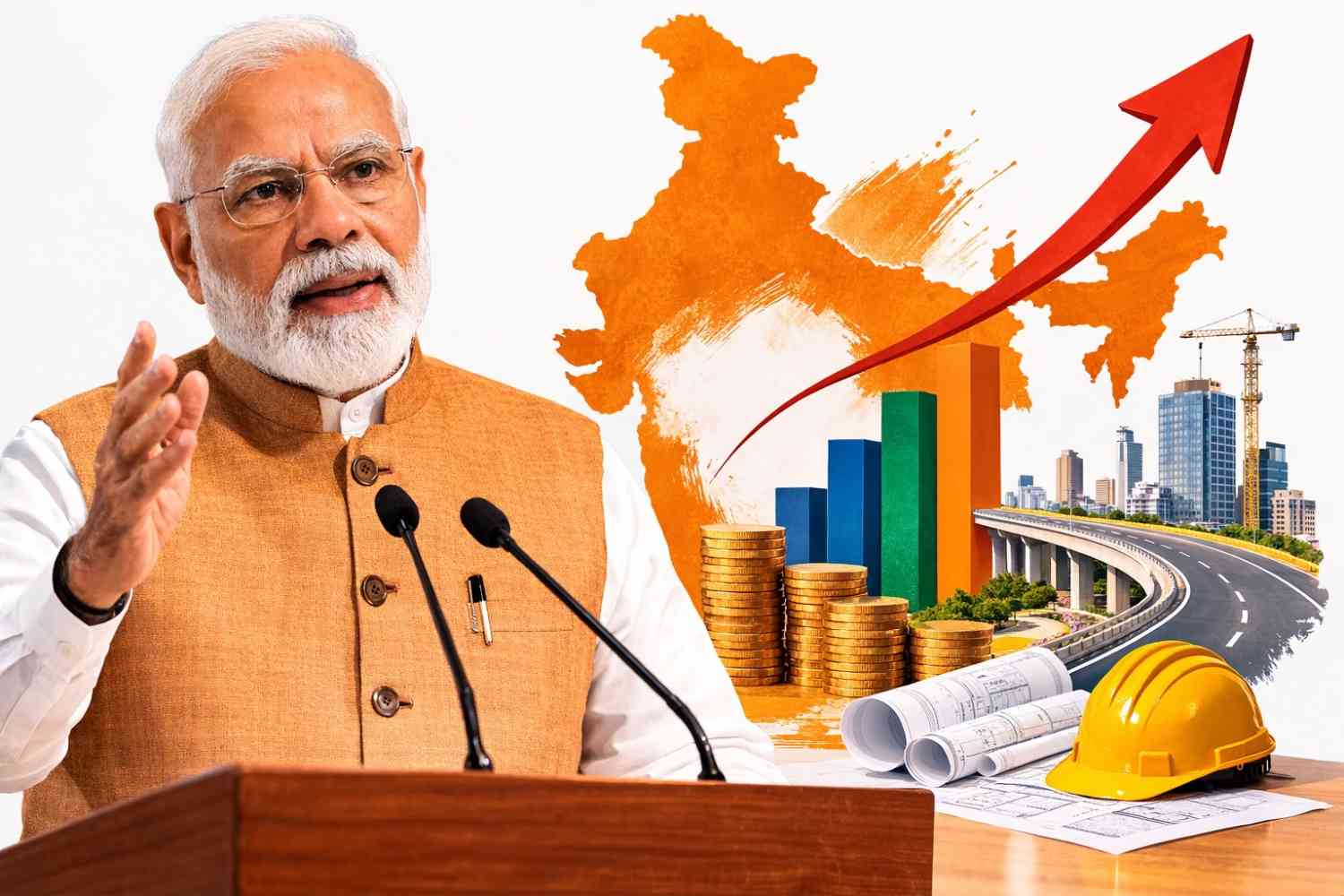
New Delhi: Prime Minister Narendra Modi on Monday addressed a key post-Budget webinar, highlighting the government’s roadmap to accelerate India’s economic growth following the Union Budget announcements. The virtual event brought together policymakers, industry leaders, and sector experts to discuss how the Budget’s proposals can be implemented effectively across sectors.
The Prime Minister stressed that the focus should now shift from announcements to fast and efficient execution. He said the government’s policy direction aims to support investment, strengthen manufacturing, boost infrastructure development, and create new opportunities for businesses and workers.
The post-Budget webinar is part of a series organized by the government to ensure that the proposals made in the Union Budget translate into real economic activity on the ground.
Why the Post-Budget Webinar Matters for India’s Economy
The webinar is considered an important step after the Union Budget because it helps bring together different stakeholders to discuss how the Budget’s policies will work in practice.
In recent years, the government has used such discussions to improve coordination between ministries, industry groups, and state governments. The aim is to ensure that projects move quickly and that businesses clearly understand policy changes.
During the session, the Prime Minister emphasized that India’s economic momentum must continue with higher investment, stronger manufacturing capacity, and expanded digital infrastructure.
He also noted that policy reforms announced in the Budget are designed to make India more competitive globally and support long-term growth.
Focus on Faster Implementation of Budget Announcements
A major message from the Prime Minister was the need to speed up the implementation of policy measures announced in the Union Budget.
He said that timely execution of projects and schemes is critical for sustaining economic growth. Government departments, industry players, and state authorities must work together to ensure that development projects move ahead without delays.
The Prime Minister also underlined that efficient implementation helps increase investor confidence and encourages businesses to expand operations in India.
According to officials, the webinar discussions covered key sectors such as infrastructure, manufacturing, innovation, and financial reforms.
Infrastructure Development Remains a Key Priority
Infrastructure development continues to be a central pillar of India’s growth strategy.
During the webinar, the Prime Minister highlighted the importance of large-scale investments in roads, railways, logistics, and urban infrastructure. He said that better infrastructure helps reduce costs for businesses and improves connectivity across the country.
Over the past few years, the government has significantly increased spending on infrastructure to stimulate economic activity and generate jobs. Projects related to highways, ports, airports, and freight corridors are expected to play a major role in supporting India’s long-term development.
Industry leaders participating in the discussion also pointed out that infrastructure investment creates demand across several sectors including steel, cement, and construction.
Manufacturing and ‘Make in India’ Push
Another key theme of the Prime Minister’s address was the continued push to strengthen India’s manufacturing sector.
He said policies introduced in recent years aim to make India a global manufacturing hub. Initiatives such as Production Linked Incentive (PLI) schemes, investment incentives, and reforms in logistics are intended to attract both domestic and global companies.
The government believes that a strong manufacturing sector can create large numbers of jobs while reducing dependence on imports in critical industries.
Experts participating in the webinar noted that improving supply chains, increasing exports, and promoting advanced technologies will be important for achieving these goals.
Support for Innovation and Technology-Driven Growth
Innovation and technology were also highlighted as major drivers of India’s future economic expansion.
The Prime Minister said that India’s growing digital economy provides new opportunities for entrepreneurs, startups, and technology companies. The government has introduced policies to support digital payments, artificial intelligence, semiconductor development, and advanced research.
Officials say these initiatives aim to ensure that India remains competitive in emerging global industries.
Participants in the webinar discussed ways to strengthen collaboration between government agencies, research institutions, and private companies to accelerate innovation.
Strengthening India’s Investment Climate
Another major focus of the discussion was improving India’s investment environment.
The government has introduced several policy changes in recent years to make it easier for businesses to operate in the country. These include efforts to simplify regulations, improve tax administration, and expand digital services for businesses.
The Prime Minister said that such reforms are important to maintain investor confidence and attract both domestic and foreign investment.
Industry representatives also highlighted the need for stable policies and faster approval processes to help businesses plan long-term investments.
Role of Industry and State Governments
During the webinar, the Prime Minister called for stronger collaboration between the central government, state governments, and industry.
He said economic growth requires coordinated efforts from all stakeholders. State governments play a key role in implementing projects and supporting businesses through local policies and infrastructure development.
Industry leaders were encouraged to actively participate in the implementation of government initiatives and provide feedback on policy measures.
Officials said that such cooperation can help ensure that reforms translate into real economic benefits.
India’s Economic Outlook
India remains one of the fastest-growing major economies in the world. Policymakers believe that sustained investments in infrastructure, manufacturing, and innovation will help maintain this growth momentum.
The government’s economic strategy focuses on expanding domestic production, boosting exports, and strengthening financial systems.
Experts note that global economic uncertainties and geopolitical tensions may create challenges, but strong domestic demand and policy reforms continue to support India’s economic outlook.
The Prime Minister said that the government’s policies are designed to make India a stronger and more resilient economy in the coming years.
Government’s Strategy for Long-Term Growth
According to policymakers, the Union Budget and the post-Budget consultations aim to build a strong foundation for long-term development.
The government’s strategy includes several key priorities. These include expanding infrastructure networks, improving logistics efficiency, strengthening manufacturing capabilities, and supporting innovation in emerging sectors.
Officials also say that increasing private investment will be important for sustaining growth and creating employment opportunities.
The Prime Minister emphasized that India’s economic transformation requires consistent efforts from both the public and private sectors.
Conclusion
Prime Minister Narendra Modi’s address at the post-Budget webinar focused on turning policy announcements into tangible results for India’s economy. By emphasizing faster implementation, stronger infrastructure investment, and continued support for manufacturing and innovation, the government aims to maintain the country’s growth momentum.
The discussions during the webinar are expected to guide how various ministries, industry bodies, and state governments move forward with the Budget’s proposals.
As India works to strengthen its economic foundations, policymakers believe that effective coordination and timely execution will be key to achieving long-term development goals.
Disclaimer: The information presented in this article is intended for general informational purposes only. While every effort is made to ensure accuracy, completeness, and timeliness, data such as prices, market figures, government notifications, weather updates, holiday announcements, and public advisories are subject to change and may vary based on location and official revisions. Readers are strongly encouraged to verify details from relevant official sources before making financial, investment, career, travel, or personal decisions. This publication does not provide financial, investment, legal, or professional advice and shall not be held liable for any losses, damages, or actions taken in reliance on the information provided.
edited by D Rishidhar Reddy
About The Author