
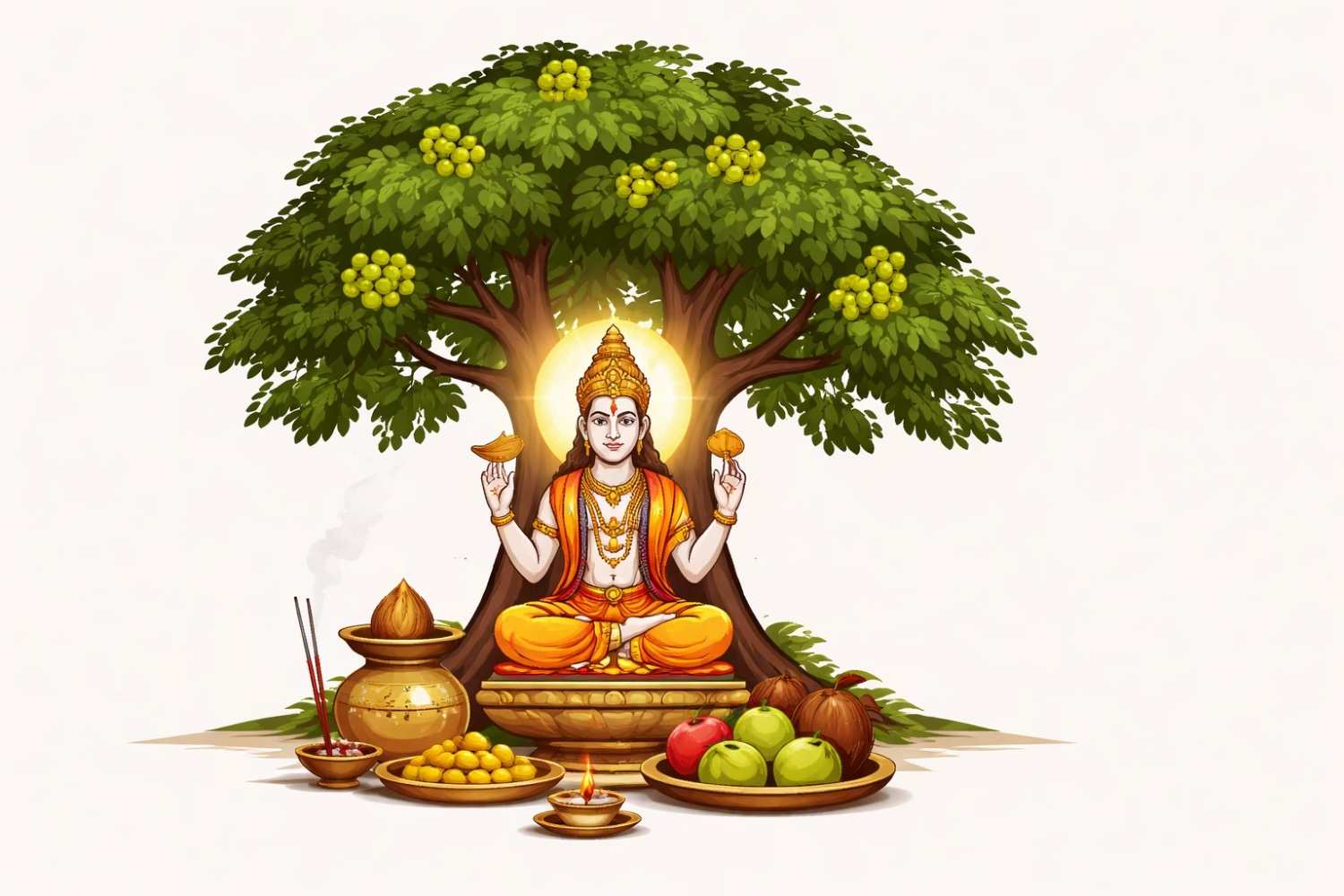
Amalaki Ekadashi 2026 will be observed in March during the Shukla Paksha of the Phalguna month, a sacred period for devotees of Lord Vishnu across India. The Ekadashi falling before Holi holds deep spiritual value and is widely observed with fasting, prayers, and charity.
As the festival approaches, many devotees are searching for the exact date, vrat timings, and spiritual meaning of this important Ekadashi. Here is a detailed guide to Amalaki Ekadashi 2026, including its significance and traditional rituals.
Amalaki Ekadashi 2026 Date and Tithi Details
Amalaki Ekadashi is observed on the Ekadashi Tithi of Shukla Paksha in the month of Phalguna. In 2026, according to the Hindu lunar calendar, the Ekadashi Tithi is expected to fall in early March.
The exact date may vary slightly depending on regional Panchang calculations, as sunrise timings determine the vrat day. Devotees are advised to follow their local Panchang or temple announcements for precise timings in their city.
Ekadashi fasting generally begins at sunrise and continues until the next day’s sunrise, followed by Parana, which is the ritual breaking of the fast on Dwadashi. The Parana time must be observed carefully, as breaking the fast outside the recommended window is considered improper in tradition.
What Is Amalaki Ekadashi?
Amalaki Ekadashi is dedicated to Lord Vishnu and the sacred Amla tree, also known as Indian Gooseberry. The word “Amalaki” refers to the Amla fruit, which holds both religious and medicinal importance in Indian tradition.
In many scriptures, the Amla tree is believed to be a symbol of purity and divine presence. Devotees worship the tree along with Lord Vishnu on this day. It is believed that observing this Ekadashi vrat brings spiritual merit and removes past sins.
Amalaki Ekadashi is also known by another name in some regions and is closely linked with preparations for Holika Dahan and Holi celebrations.
Spiritual Significance of Amalaki Ekadashi
The spiritual importance of Amalaki Ekadashi lies in devotion, self-control, and purification. Fasting on Ekadashi is considered one of the most powerful spiritual practices in Hinduism.
According to traditional beliefs, observing the vrat with faith helps in:
Spiritual cleansing of the mind and body.
Seeking blessings of Lord Vishnu for prosperity and peace.
Reducing negative karma through disciplined fasting and prayer.
Attaining spiritual growth and inner stability.
Devotees believe that worshipping Lord Vishnu and offering prayers under or near an Amla tree brings special blessings. In several temples across India, special Vishnu pujas and bhajans are organised on this day.
Rituals and Puja Vidhi for Amalaki Ekadashi
The rituals of Amalaki Ekadashi begin early in the morning. Devotees wake up before sunrise, take a holy bath, and wear clean clothes. Many people visit Vishnu temples, while others perform puja at home.
The traditional puja includes lighting a diya, offering flowers, tulsi leaves, fruits, and sweets to Lord Vishnu. Devotees also read or listen to Ekadashi Vrat Katha, which explains the importance of the day.
In some regions, devotees worship the Amla tree by offering water, applying sandalwood paste, and tying sacred threads around the trunk. The tree is seen as a representation of divine energy.
Fasting practices vary. Some devotees observe a strict nirjala fast without water, while others consume fruits and milk. Grains and certain vegetables are avoided as per Ekadashi fasting rules.
Charity and feeding the poor are also important parts of the observance. Donating food, clothes, or money is considered highly auspicious.
Connection Between Amalaki Ekadashi and Holi
Amalaki Ekadashi comes just a few days before Holi, one of India’s biggest festivals. Spiritually, this period marks a shift from discipline and fasting to celebration and joy.
The Ekadashi is seen as a time to purify oneself before entering the festive season. Many families begin Holi preparations after observing this vrat.
In some traditions, the observance of Amalaki Ekadashi is believed to prepare devotees spiritually for Holika Dahan and the victory of good over evil.
Health and Cultural Importance of Amla
The Amla fruit has strong cultural and Ayurvedic importance in India. It is known for its high Vitamin C content and is widely used in traditional medicine.
Although the religious significance of Amla is the focus on this day, its health benefits are also acknowledged in Indian households. The fruit symbolises nourishment, longevity, and protection.
In rural areas, community gatherings around the Amla tree are common during this Ekadashi. Devotional songs and group prayers strengthen social bonds.
Why Ekadashi Fasting Is Considered Powerful
Ekadashi fasting is observed twice every month and holds special importance in Vaishnav tradition. Many devotees believe that fasting on Ekadashi helps in controlling desires and maintaining discipline.
Religious texts describe Ekadashi as a day when spiritual energy is high. Devotees avoid tamasic foods and focus on prayer and meditation.
Over the years, Ekadashi vrat has remained one of the most widely observed Hindu fasting traditions across India, Nepal, and among Indian communities abroad.
Who Should Observe Amalaki Ekadashi?
There is no strict rule about who can observe the vrat. Anyone who has faith in Lord Vishnu can fast and pray on this day.
However, elderly people, pregnant women, and those with health conditions are generally advised to modify the fast as per medical guidance. Spiritual observance can still be done through prayer and charity even without strict fasting.
Amalaki Ekadashi 2026: What Devotees Should Keep in Mind
As Amalaki Ekadashi 2026 approaches, devotees should check the exact Ekadashi start and end timings in their local Panchang. Since Hindu festivals are based on lunar calculations, timing accuracy is important.
Maintaining sincerity and devotion is considered more important than rigid ritual practice. Spiritual focus, calmness, and gratitude define the true meaning of this day.
Many temples dedicated to Lord Vishnu, including major pilgrimage centres, observe special prayers and bhajan sessions. Devotees often participate in group chanting of Vishnu Sahasranama.
Spiritual Message of Amalaki Ekadashi
The core message of Amalaki Ekadashi is purity, devotion, and surrender to the divine. It encourages self-discipline and reminds devotees of the importance of righteousness.
In today’s fast-paced life, such spiritual observances provide mental peace and reflection. For many families, the Ekadashi vrat is not only a religious ritual but also a tradition passed down through generations.
As India prepares for Holi in March 2026, Amalaki Ekadashi offers a sacred pause. It invites devotees to cleanse their minds, seek divine blessings, and step into the festive season with positivity and faith.
For those observing the vrat, the day stands as a powerful reminder of devotion to Lord Vishnu and respect for nature symbolised by the sacred Amla tree.
Disclaimer: The information presented in this article is intended for general informational purposes only. While every effort is made to ensure accuracy, completeness, and timeliness, data such as prices, market figures, government notifications, weather updates, holiday announcements, and public advisories are subject to change and may vary based on location and official revisions. Readers are strongly encouraged to verify details from relevant official sources before making financial, investment, career, travel, or personal decisions. This publication does not provide financial, investment, legal, or professional advice and shall not be held liable for any losses, damages, or actions taken in reliance on the information provided.
Edited by D.Rishidhar Reddy
About The Author