Widening hostilities, rising civilian casualties, and threats to global oil supply deepen international concern over prolonged war
Tehran/Tel Aviv/Beirut/Washington, March 25:
The ongoing conflict involving the United States, Israel, and Iran has intensified sharply since late February, with fresh strikes reported across multiple countries in the Middle East. The escalation is increasingly drawing in regional actors, raising fears of a broader geopolitical crisis with significant humanitarian and economic consequences.
Expanding Conflict Across Multiple Fronts
Explosions were reported near Tehran on Wednesday, with local accounts indicating damage to residential areas and civilian infrastructure, including a school. The developments come amid continued exchanges of missile fire between Iran and Israel.
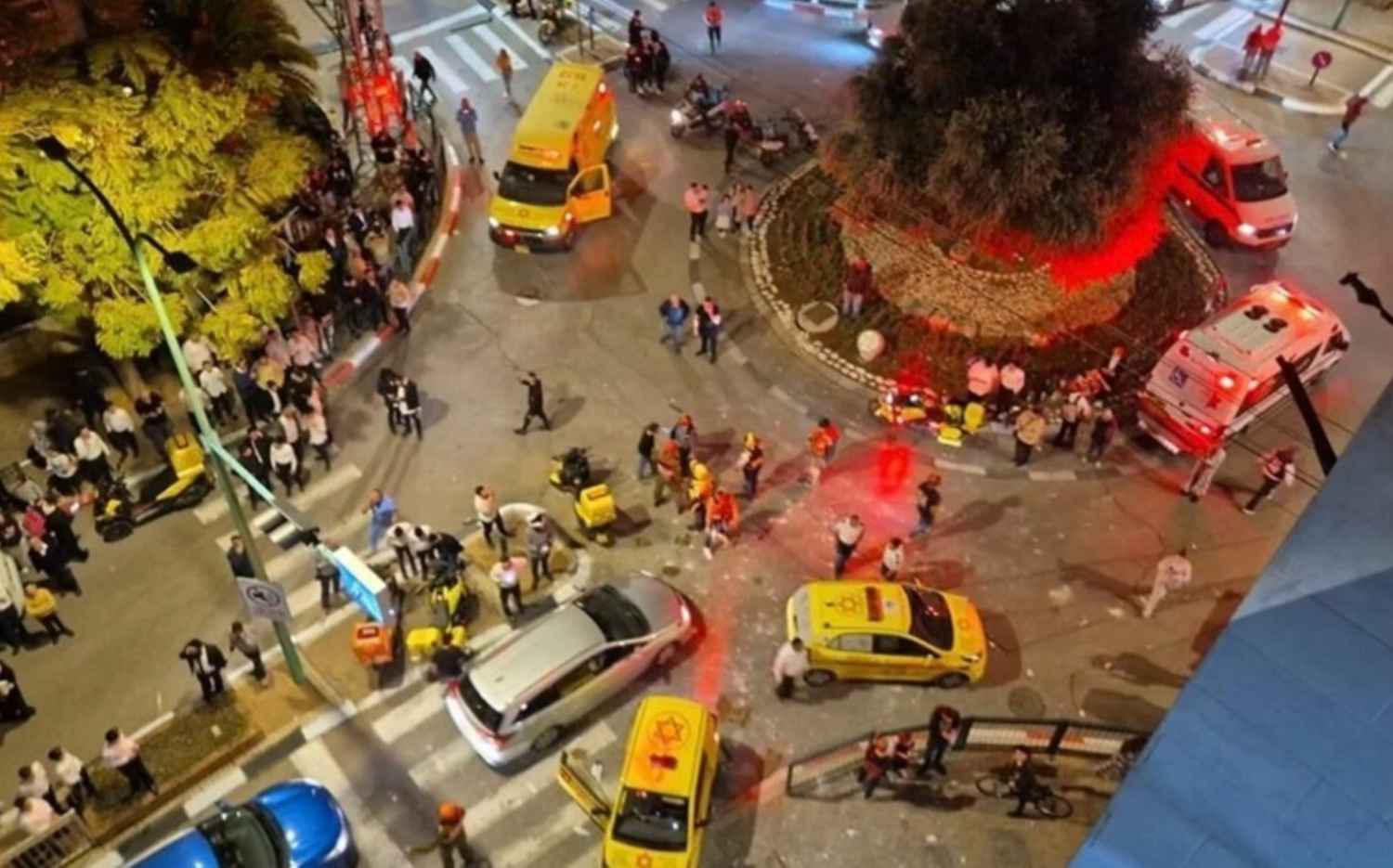
Israeli authorities confirmed that projectiles launched from Iran triggered air raid sirens across central parts of the country. In parallel, attacks linked to Iran-backed groups, including Hezbollah, targeted Israeli cities such as Tel Aviv and areas in the north. Initial reports suggest casualties, with at least one fatality and several injuries.
Israel responded with airstrikes on Hezbollah positions in southern Lebanon, further intensifying cross-border hostilities.
Regional Spillover and Rising Instability
The conflict’s impact is spreading beyond the immediate combat zones. In Kuwait, a drone strike reportedly caused a fire at fuel storage facilities at the international airport. Jordan reported missile debris falling in sparsely populated areas south of Amman, while Saudi Arabia’s air defense systems intercepted a ballistic missile and multiple drones over its eastern region.
In northern Israel, including the town of Kiryat Shmona, authorities issued repeated air raid alerts as tensions escalated along the Lebanese border.
Armed groups aligned with Iran have also claimed attacks on U.S. military installations in the region. Reports indicate multiple incidents within a 24-hour period, highlighting the increasing risks faced by American forces stationed in the Middle East.
US Military Posture and Strategic Concerns
According to U.S. media reports citing defense officials, Washington is preparing to deploy elements of the 82nd Airborne Division to the region. The move follows high-level consultations among senior U.S. leadership, reflecting growing concern over the security situation.
Particular attention is focused on the Strait of Hormuz, a critical maritime route for global oil shipments. Any disruption to this passage could have far-reaching consequences for energy markets worldwide.
Humanitarian Warnings and Civilian Impact
International agencies have raised alarm over the humanitarian toll of the conflict. Civilian casualties are reportedly rising, particularly in Lebanon and densely populated areas affected by strikes.
The United Nations has warned that a prolonged conflict could exacerbate food insecurity across vulnerable regions, potentially placing millions at risk of hunger if supply chains are disrupted.
Global Economic Implications
The conflict is also testing global economic stability. The Strait of Hormuz alone carries a significant share of the world’s oil supply—estimated at around 20 million barrels per day. Any sustained disruption could lead to volatility in energy prices, impacting oil-dependent economies.
In response, a coalition of multiple countries is reportedly working to ensure the safety of maritime routes and maintain the flow of energy supplies.
Why This Matters
The current escalation represents more than a regional conflict. It combines military confrontation, proxy warfare, and economic risk, making it a global concern. The involvement of multiple state and non-state actors increases the likelihood of further escalation, while civilian casualties and infrastructure damage deepen the humanitarian crisis.
Conclusion
As hostilities continue to expand across borders, diplomatic efforts remain limited and tensions show little sign of easing. The coming days will be critical in determining whether the situation stabilizes or evolves into a broader regional war with lasting global repercussions.
inputs & images : Hindustansamachar
Edited by D.Rishidhar Reddy
About The Author