India’s automobile market is going through one of its biggest changes in decades. In 2026, search trends show rising interest in electric vehicles, battery life, charging stations, hybrid cars, connected car technology and government subsidies. Buyers are no longer just comparing mileage and price. They are also looking at charging time, software updates and long-term savings.
This shift matters because India is the world’s third-largest automobile market. What Indian consumers search today often shapes what companies launch tomorrow. The rapid growth of electric mobility, policy support from the government and new technology features are driving online search behaviour across cities and smaller towns.
Below is a detailed look at the EV adoption and auto tech trends Indians are actively searching in 2026 and what is behind this rising interest.
Electric Vehicle Adoption Continues to Rise
Electric vehicles are no longer a niche segment in India. According to official data from the Ministry of Road Transport and Highways and industry bodies such as the Society of Indian Automobile Manufacturers, EV registrations have grown steadily over the past few years, especially in two-wheelers and three-wheelers.
In 2025, electric two-wheelers saw strong adoption in urban markets. In 2026, search data shows that buyers are increasingly looking for “best electric scooter under ₹1.5 lakh”, “EV range in real conditions” and “battery warranty in India”.
The push for EV adoption has been supported by government incentives under schemes such as FAME II and state-level EV policies. Several states offer road tax exemptions and registration fee waivers for electric vehicles. These benefits are frequently searched by buyers before making a purchase decision.
The rise in fuel prices over the past few years has also played a role. Many consumers are comparing the running cost of petrol cars with electric cars. Search queries such as “EV vs petrol cost per km” and “electric car charging cost at home” reflect this change in mindset.
Charging Infrastructure Becomes a Key Search Topic
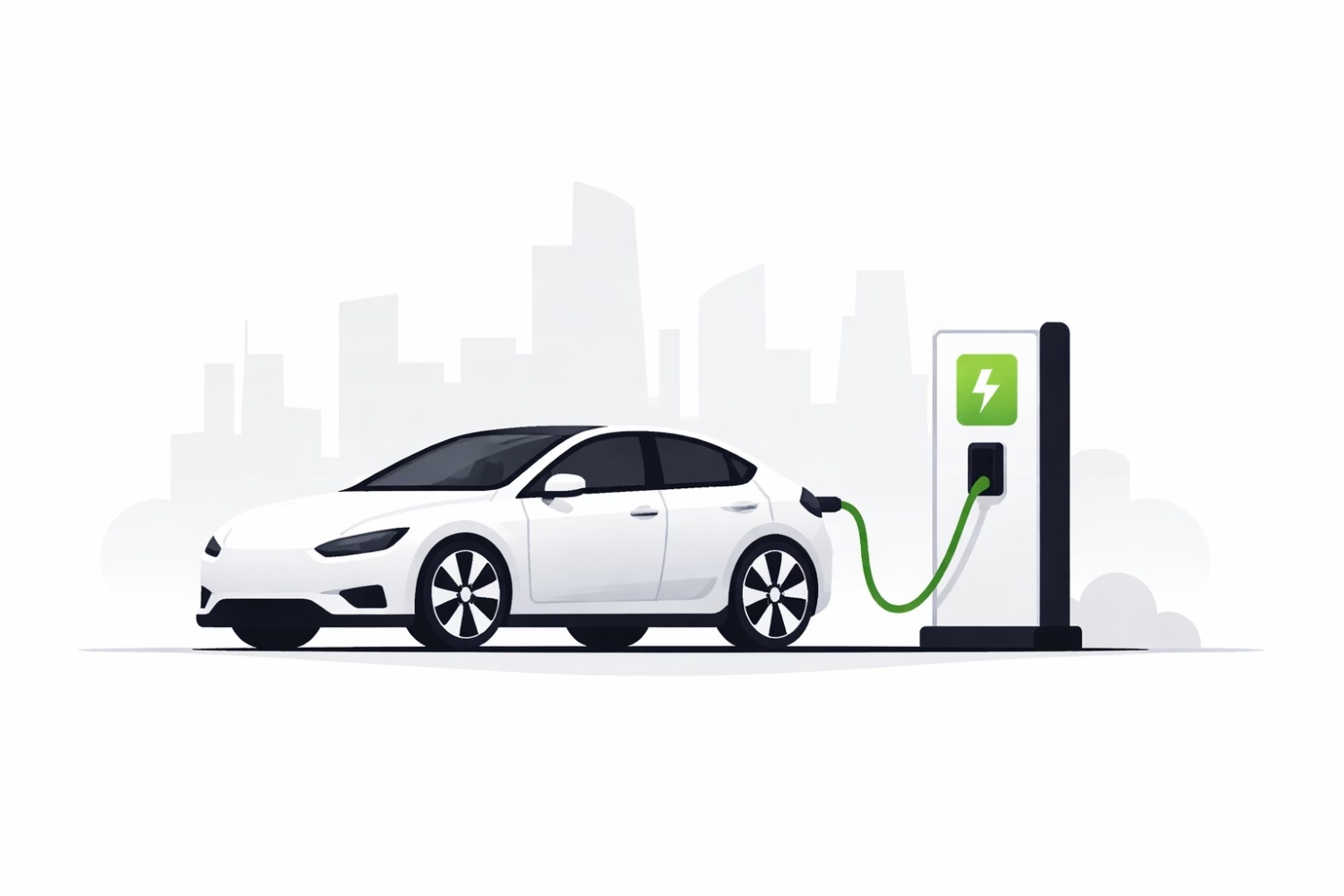
Range anxiety remains one of the top concerns for Indian buyers. As a result, “EV charging stations near me” is among the most common search phrases in 2026.
India’s public charging network has expanded in recent years. Oil marketing companies, private players and power utilities are adding more charging points in cities and on highways. However, the distribution is still uneven. Tier 1 cities have better coverage, while smaller towns are catching up slowly.
Home charging is another big topic. Many buyers search for “home EV charger installation cost” and “charging time for 7.2 kW charger”. Apartment residents are also looking for guidelines on setting up chargers in shared parking areas.
This shows that EV adoption is no longer just about buying a vehicle. It is also about understanding infrastructure, power supply and long-term usage.
Battery Life, Warranty and Safety in Focus
Battery cost and durability are major concerns. In 2026, Indians are actively searching for “EV battery replacement cost in India” and “battery life in years”.
Most manufacturers offer battery warranties of up to eight years, depending on the model. However, buyers want clarity on real-world performance, especially in hot Indian weather conditions.
Safety is another growing area of interest. After incidents of battery fires in earlier years, consumers are now more aware. They search for information on thermal management systems, certified battery standards and updated safety norms.
Automakers are responding by improving battery management systems and highlighting compliance with safety regulations. This has helped rebuild trust in the segment.
Strong Interest in Affordable EVs and New Launches
Affordability remains a key factor in India. Searches for “electric car under ₹15 lakh” and “budget EV 2026” are trending.
Indian manufacturers have been expanding their EV portfolios in compact SUVs and entry-level segments. At the same time, global brands are evaluating India as a growth market for electric mobility.
Search behaviour shows that consumers want practical cars with decent range, low maintenance and competitive pricing. They also compare waiting periods, delivery timelines and available variants before making decisions.
Two-wheeler EVs continue to dominate volumes. Urban commuters prefer electric scooters for daily use due to lower running costs and easier charging at home.
Hybrid Cars See Renewed Attention
Interestingly, hybrid cars are also witnessing rising search interest in 2026. Many buyers who are not fully confident about charging infrastructure are exploring strong hybrid models.
Search queries like “hybrid vs electric car India” and “hybrid car mileage in city traffic” indicate that consumers see hybrids as a middle path. Hybrids offer better fuel efficiency without the need for external charging.
Several carmakers have introduced hybrid options in popular SUV and sedan segments. For buyers who travel long distances frequently, hybrids are seen as more practical in the current infrastructure scenario.
Connected Car Technology Gains Popularity
Indian consumers are also searching more about in-car technology. Terms such as “connected car features”, “OTA updates in cars” and “ADAS in India” are trending.
Advanced Driver Assistance Systems, or ADAS, are becoming more common in mid-range vehicles. Features like adaptive cruise control, lane assist and automatic emergency braking are no longer limited to luxury cars.
Buyers are researching whether these features work well on Indian roads. They are also checking which models offer them at competitive prices.
Over-the-air software updates are another key area. Consumers now expect their vehicles to receive updates just like smartphones. Automakers are promoting digital dashboards, voice assistants and app-based controls as major selling points.
Growing Focus on Total Cost of Ownership
In 2026, Indian buyers are more informed. They are not just looking at the ex-showroom price. Instead, they compare insurance, service cost, resale value and long-term savings.
Search terms like “EV maintenance cost vs petrol” and “resale value of electric cars” show this shift.
Industry reports suggest that EVs generally have lower maintenance costs due to fewer moving parts. However, upfront pricing remains higher in some segments. Buyers are calculating payback periods before making decisions.
Fleet operators and ride-hailing drivers are also searching for cost comparisons. Commercial adoption of EVs is increasing in urban areas, especially for last-mile delivery.
Government Policy and Regulatory Updates Drive Searches
Policy announcements continue to influence search patterns. Whenever there is news about EV subsidies, tax changes or new emission norms, online searches spike.
India has set clear targets for increasing electric mobility and reducing emissions. State governments are competing to attract EV manufacturing investments by offering incentives.
Consumers are closely tracking these updates. Many want to know if subsidies are still available in 2026 and how long they will continue.
Regulations related to battery recycling and scrappage policy are also gaining attention. Environmental awareness among urban buyers is growing, especially among younger consumers.
Rise of Auto Tech Content Consumption
Another trend is the increase in video reviews and online comparisons. Buyers often search for “real range test”, “EV long drive review” and “India highway charging experience”.
Social media platforms and auto review channels influence purchase decisions. Consumers trust real-world testing over brochure claims.
In 2026, digital research plays a major role before visiting a dealership. This is especially true for first-time EV buyers who want detailed information.
Rural and Tier 2 Markets Join the EV Conversation
While metros still lead EV adoption, smaller cities are showing rising interest. Affordable electric scooters and three-wheelers are popular in Tier 2 and Tier 3 towns.
Search patterns from these regions often focus on price, financing options and local service support.
Banks and NBFCs are offering EV-specific loan products, which is also driving online queries related to EMI and down payment options.
The spread of charging infrastructure along national highways is slowly improving confidence for inter-city travel.
What Is Driving This Search Boom in 2026
Several factors are working together. Rising fuel prices have made consumers look for alternatives. Government incentives have reduced entry barriers. New model launches have expanded choices. Technology features have made vehicles smarter and more attractive.
At the same time, environmental concerns and global climate discussions have influenced urban consumers. Many buyers see EVs as a cleaner option, especially for city use.
The Indian auto market is at a transition stage. Petrol and diesel vehicles still dominate overall sales. However, EVs and hybrids are growing steadily and gaining mindshare.
Search behaviour clearly shows that Indian consumers are moving from curiosity to serious consideration.
Conclusion: EVs and Auto Tech Are No Longer Optional Topics
In 2026, electric vehicles and automotive technology are not just industry buzzwords. They are everyday search topics for Indian families planning their next vehicle purchase.
Consumers want value, reliability, infrastructure support and long-term savings. They are asking sharper questions and comparing options carefully.
As manufacturers expand their EV portfolios and improve technology features, search trends are likely to grow further. The next phase of India’s automobile market will be shaped not only by policy and production but also by what millions of Indians search and demand online.
For automakers and policymakers, this digital interest is a clear signal. The Indian buyer is ready for smarter, cleaner and more connected mobility.
Disclaimer: The information presented in this article is intended for general informational purposes only. While every effort is made to ensure accuracy, completeness, and timeliness, data such as prices, market figures, government notifications, weather updates, holiday announcements, and public advisories are subject to change and may vary based on location and official revisions. Readers are strongly encouraged to verify details from relevant official sources before making financial, investment, career, travel, or personal decisions. This publication does not provide financial, investment, legal, or professional advice and shall not be held liable for any losses, damages, or actions taken in reliance on the information provided.
edited by D Rishidhar Reddy
About The Author