
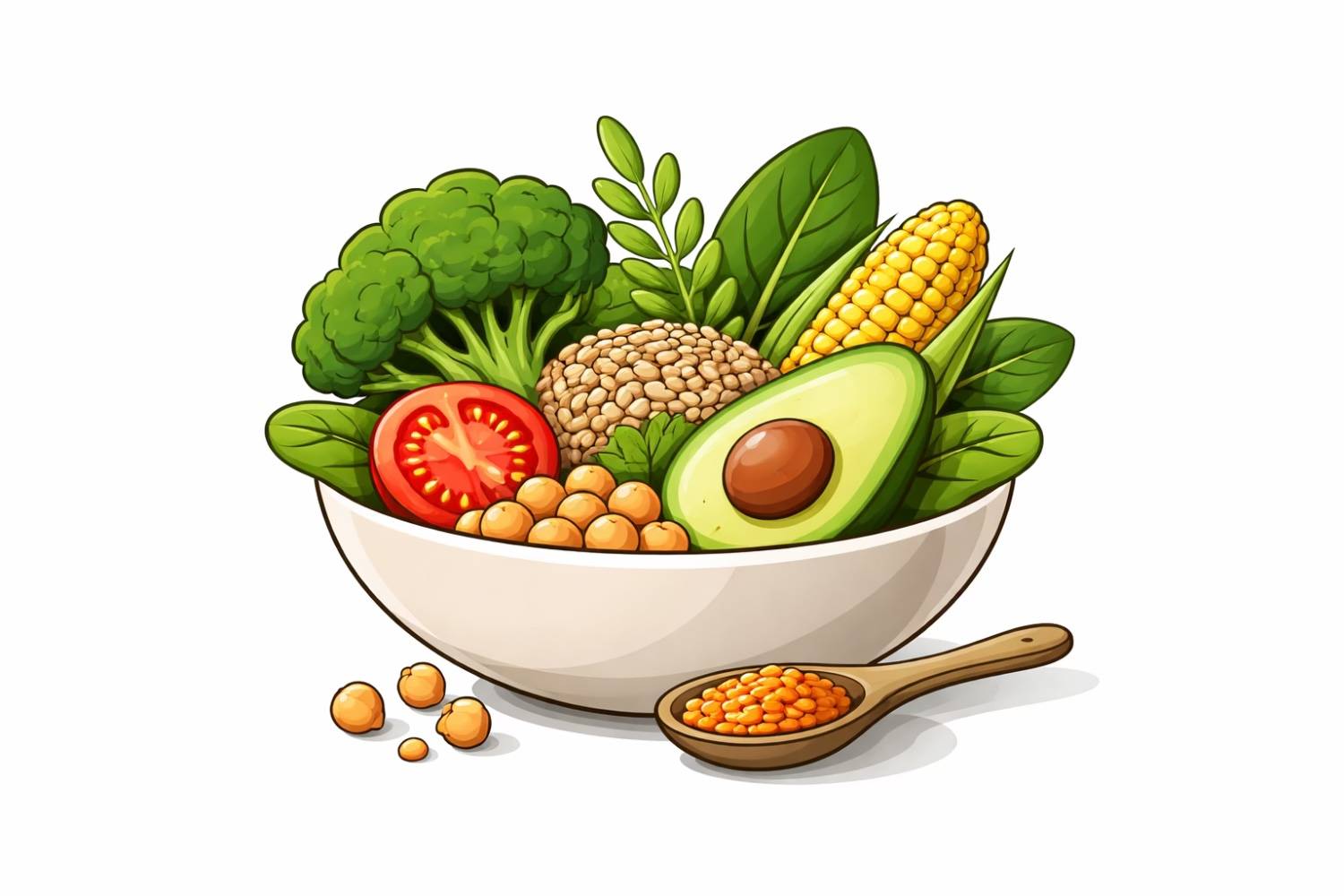
India’s food habits are changing fast. From big cities to smaller towns, more people are choosing plant-based meals as part of a healthier lifestyle. Nutrition awareness, climate concerns, and changing consumer choices are pushing plant-based diets into the mainstream in 2026.
Health experts say the shift is no longer limited to vegans or fitness enthusiasts. A growing number of Indian consumers are now reducing meat intake and adding more plant-based foods to daily meals.
The trend reflects a broader movement toward healthier eating habits and sustainable food choices across the country.
Plant-Based Diets Move Into the Mainstream
In recent years, plant-based diets have become one of the fastest-growing food trends in India. Restaurants, grocery brands, and food startups are responding to increasing demand for plant-focused products.
Many Indians are not fully vegan, but they are adopting what nutritionists call “flexitarian eating.” This means eating mostly plant-based foods while occasionally consuming dairy, eggs, or meat.
Urban consumers are leading the change. However, the trend is slowly expanding into tier-2 and tier-3 cities as well.
Food delivery platforms and supermarket chains now offer a wider variety of plant-based products such as dairy alternatives, vegan snacks, and protein-rich plant meals.
The shift is also visible in home cooking. Many families are returning to traditional Indian foods that are naturally plant-based.
Health Awareness Driving the Shift
One of the biggest reasons behind the plant-based food trend is growing health awareness among Indians.
Doctors and nutrition experts have repeatedly highlighted the importance of balanced diets that include fruits, vegetables, whole grains, legumes, and nuts.
A plant-rich diet can support heart health, improve digestion, and help manage weight when planned properly.
Lifestyle diseases such as diabetes, high blood pressure, and obesity are increasing in India. As a result, many people are looking for healthier food choices.
Younger consumers, especially those in their 20s and 30s, are paying closer attention to nutrition labels and food ingredients.
Fitness culture and social media awareness have also influenced eating habits. Diet plans focused on plant foods are now commonly discussed in gyms, wellness apps, and online health communities.
India’s Traditional Diet Already Supports Plant-Based Eating
Unlike many Western countries, India already has a strong tradition of plant-focused meals.
Staples such as dal, vegetables, rice, roti, lentils, chickpeas, and millets form the base of many Indian diets.
These foods naturally provide fiber, vitamins, and plant protein.
Nutrition experts often point out that traditional Indian diets can easily align with modern plant-based nutrition goals.
For example, dishes made with lentils, beans, and whole grains offer a strong protein source without the need for meat.
Government initiatives promoting millets and traditional grains have also supported this shift toward healthier eating.
The International Year of Millets in 2023, supported by the Indian government, helped revive interest in nutrient-rich grains such as ragi, jowar, and bajra.
These grains are widely used in plant-based diets and are now appearing more often in modern meal plans.
Growth of Plant-Based Food Startups in India
India’s food startup ecosystem has played a major role in popularizing plant-based eating.
Several startups now produce plant-based meat alternatives, dairy-free milk, and vegan snacks.
Products made from soy, oats, almonds, and peas are increasingly available in supermarkets and online grocery platforms.
These companies are targeting consumers who want healthier options but still enjoy familiar flavours and textures.
Restaurants and cafés in cities such as Bengaluru, Mumbai, and Delhi are also adding plant-based menus to attract younger customers.
Food industry analysts say the plant-based food market in India is still developing but shows strong growth potential.
As awareness increases and prices become more affordable, adoption is expected to expand further.
Climate and Sustainability Concerns
Environmental awareness is another factor influencing food choices in India.
Globally, food production is linked to issues such as carbon emissions, water use, and land consumption.
Many younger consumers now consider environmental impact when choosing what to eat.
Plant-based foods generally require fewer natural resources compared to animal-based food production.
This message is becoming more visible through documentaries, sustainability campaigns, and climate discussions.
For some consumers, choosing plant-based meals is not just about health but also about supporting a more sustainable food system.
Influence of Fitness and Wellness Culture
India’s growing wellness industry has played an important role in the rise of plant-based diets.
Fitness trainers, nutritionists, and health influencers frequently promote diets rich in vegetables, fruits, seeds, and whole grains.
Many wellness programs recommend reducing processed foods and increasing plant-based nutrition.
Yoga communities and wellness retreats also encourage plant-focused meals as part of a balanced lifestyle.
The popularity of fitness apps and wearable health devices has increased awareness of calorie intake and nutrient balance.
As a result, more consumers are exploring plant-based diets as part of their long-term health goals.
Challenges Facing the Plant-Based Movement
Despite rising popularity, plant-based eating in India still faces several challenges.
One major issue is price and accessibility. Many plant-based alternatives such as vegan milk or meat substitutes can be more expensive than traditional foods.
Another challenge is nutritional understanding. Experts warn that simply avoiding meat does not automatically make a diet healthy.
Balanced nutrition still requires adequate intake of protein, iron, vitamin B12, and other nutrients.
Dietitians advise consumers to plan plant-based meals carefully to ensure they meet daily nutritional needs.
Education about healthy plant-based diets is therefore becoming an important part of the conversation.
Food Industry Responds to Changing Consumer Demand
Large food companies and restaurant chains are paying close attention to changing consumer preferences.
Many brands are now experimenting with plant-based menu options, vegan snacks, and dairy alternatives.
Supermarkets are expanding shelf space for plant-focused products as demand continues to rise.
Food delivery apps also report growing interest in healthier meal options.
As competition increases, the availability and affordability of plant-based products are likely to improve.
Industry experts believe this could accelerate adoption over the next few years.
What Experts Say About the Future of Plant-Based Eating
Nutrition professionals say the plant-based movement in India is likely to continue growing.
However, they emphasize that the focus should remain on balanced diets rather than extreme food restrictions.
Traditional Indian meals that combine grains, lentils, vegetables, and healthy fats already offer a strong nutritional foundation.
Experts encourage consumers to choose minimally processed foods and maintain variety in their diets.
With rising health awareness, plant-based foods are expected to remain an important part of India’s evolving food culture.
The Bottom Line
Plant-based diets are becoming a major food trend in India in 2026.
Driven by health awareness, environmental concerns, and changing consumer habits, more Indians are choosing meals centered on fruits, vegetables, grains, and legumes.
While challenges remain, the growing availability of plant-based products and renewed interest in traditional Indian foods are shaping the future of healthy eating.
For many consumers, the shift is not about eliminating foods completely. Instead, it reflects a broader effort to build healthier and more sustainable eating habits in everyday life.
As awareness continues to rise, plant-based diets may play an increasingly important role in the way India eats in the years ahead.
Disclaimer: The information presented in this article is intended for general informational purposes only. While every effort is made to ensure accuracy, completeness, and timeliness, data such as prices, market figures, government notifications, weather updates, holiday announcements, and public advisories are subject to change and may vary based on location and official revisions. Readers are strongly encouraged to verify details from relevant official sources before making financial, investment, career, travel, or personal decisions. This publication does not provide financial, investment, legal, or professional advice and shall not be held liable for any losses, damages, or actions taken in reliance on the information provided.
edited by D.Rishidhar Reddy
About The Author