Tehran signals that a partial truce is unacceptable, urging Washington to enforce a full halt to hostilities amid ongoing violence in Lebanon.
Tehran, April 9: Iran has issued a firm warning to the United States, calling on Washington to make a clear choice between enforcing a genuine ceasefire and allowing continued military conflict in West Asia, as tensions across the region intensify.
Key Developments
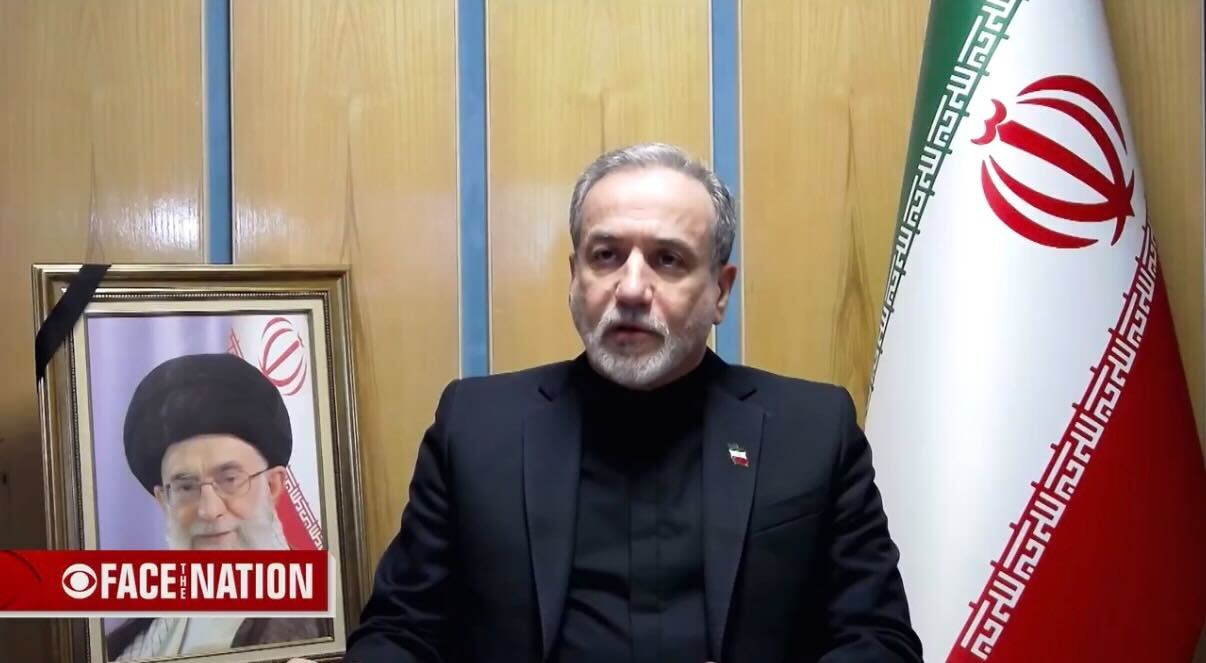
Iran’s Foreign Minister Abbas Araghchi said the current situation—where ceasefire efforts coexist with ongoing military operations—is no longer sustainable. He stressed that any ceasefire must be implemented fully and without exceptions.
According to Araghchi, continued military actions, particularly by Israel, undermine the credibility of any truce, especially if such actions are perceived to have backing from United States.
Official Position
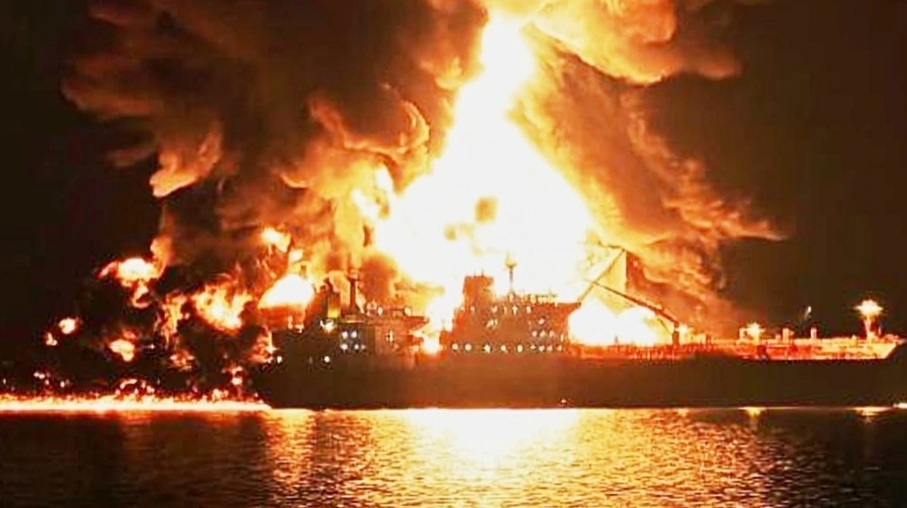
Speaking on the escalating crisis, Araghchi argued that a “ceasefire” cannot be considered legitimate if hostilities continue through indirect channels. He pointed to recent violence in Lebanon, where Israeli strikes have reportedly resulted in significant civilian casualties.
He also criticised what he described as inconsistencies in Western diplomatic messaging, urging Washington to take a clear and consistent stance. “The world is watching,” he indicated, calling for accountability and decisive action.
Background and Context
The remarks come amid a fragile regional environment marked by heightened tensions between Iran and the United States, alongside ongoing conflicts involving Israel and armed groups in Lebanon.
While a ceasefire framework between Washington and Tehran has reportedly been discussed under international mediation, continued strikes in Lebanon have raised questions about its effectiveness and enforcement.
Analysts say Iran’s sharper rhetoric reflects both domestic political signaling and a strategic effort to pressure Washington diplomatically. By framing the issue as a binary choice—ceasefire or war—Iran appears to be testing the limits of U.S. influence over Israel’s military actions.
Public Impact and Regional Stakes
The ongoing violence has significant humanitarian implications, particularly in Lebanon, where civilians have borne the brunt of recent escalations. A failure to stabilise the situation could lead to broader regional instability, affecting global energy markets, security dynamics, and diplomatic relations.
Experts warn that if hostilities persist under the guise of a partial ceasefire, it could erode trust in international mediation efforts and increase the likelihood of further escalation involving regional actors.
What Lies Ahead
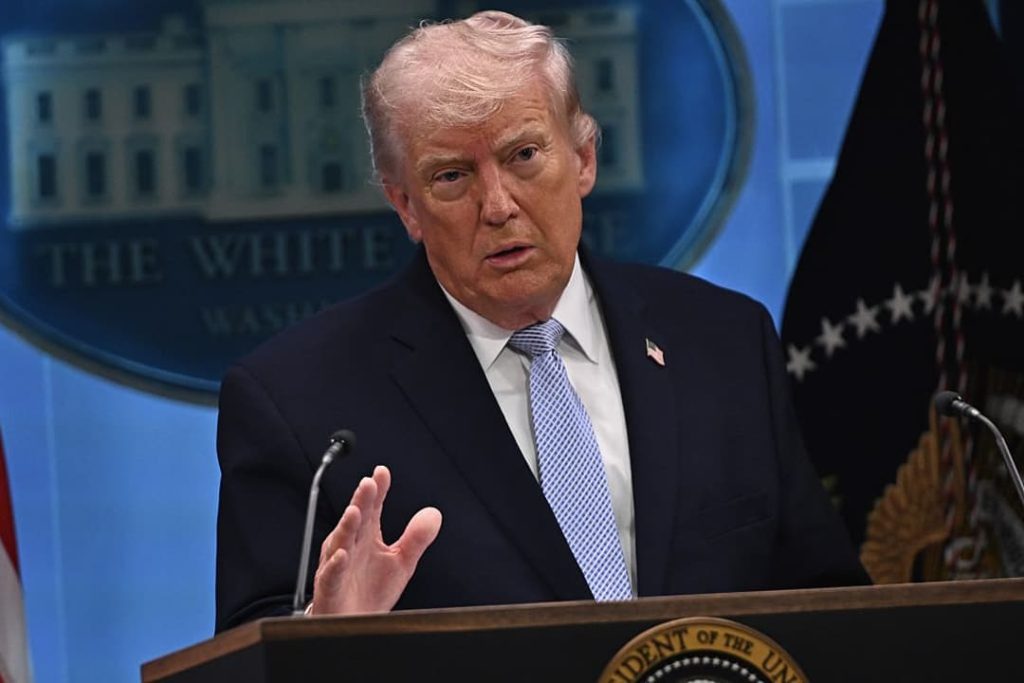
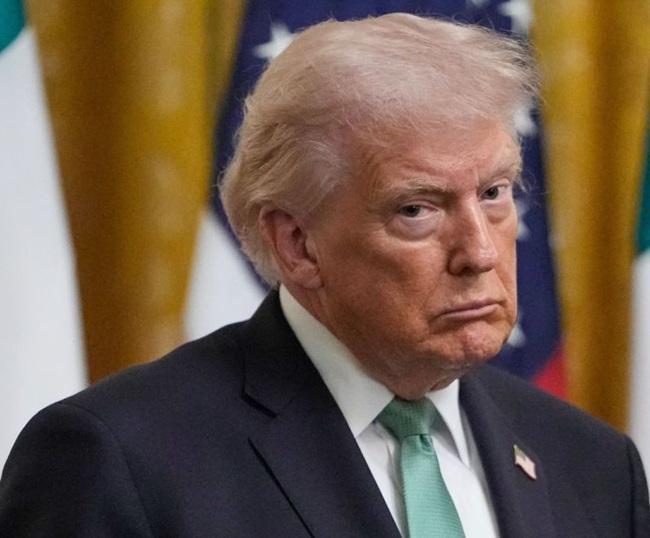
Attention is now focused on how Donald Trump and the U.S. administration will respond to Iran’s ultimatum. Washington’s next steps—whether diplomatic or military—are expected to play a decisive role in shaping the trajectory of the conflict.
A firm push for de-escalation could stabilise the region, while continued ambiguity risks deepening the crisis and potentially expanding the conflict beyond its current scope.
inputs and images : Hindustan samachar
Add indianewsjournal.in as a preferred source on google – click here
Edited By D.Rishidhar Reddy
About The Author