Tehran dismisses Washington’s warning and signals readiness to retaliate, raising concerns over global oil supply and regional stability
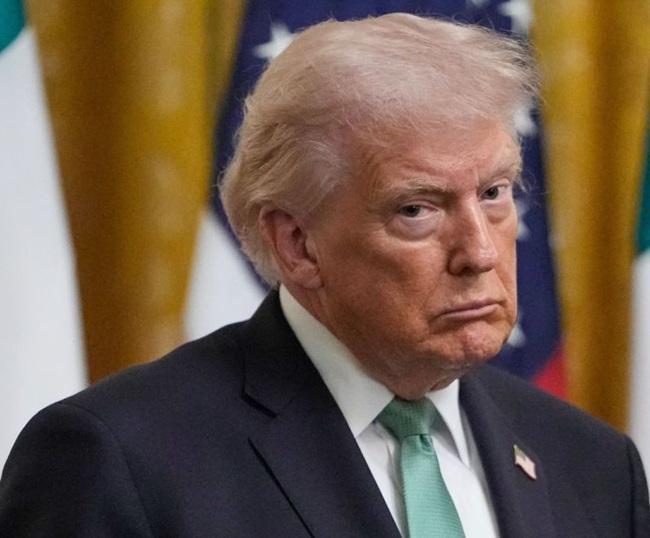
Iran has rejected a demand from Donald Trump to reopen the Strait of Hormuz, escalating tensions between the two sides and heightening fears of a broader conflict in the Middle East.
The development follows a reported 48-hour ultimatum from Washington, warning of severe consequences if Iran failed to reopen the key maritime route and move towards a broader agreement. The Strait of Hormuz is one of the world’s most important oil transit corridors, making the standoff significant for global energy markets.
Iranian officials dismissed the warning, stating that the country would not yield under pressure. Authorities described the ultimatum as ineffective and asserted that Iran is prepared to face any escalation.
Foreign Ministry spokesperson Ismail Baghaei said the threats would not intimidate Iran, emphasizing that the country has the means to defend itself. He also warned that any attacks on civilian infrastructure, particularly power facilities, would be met with a proportional response.
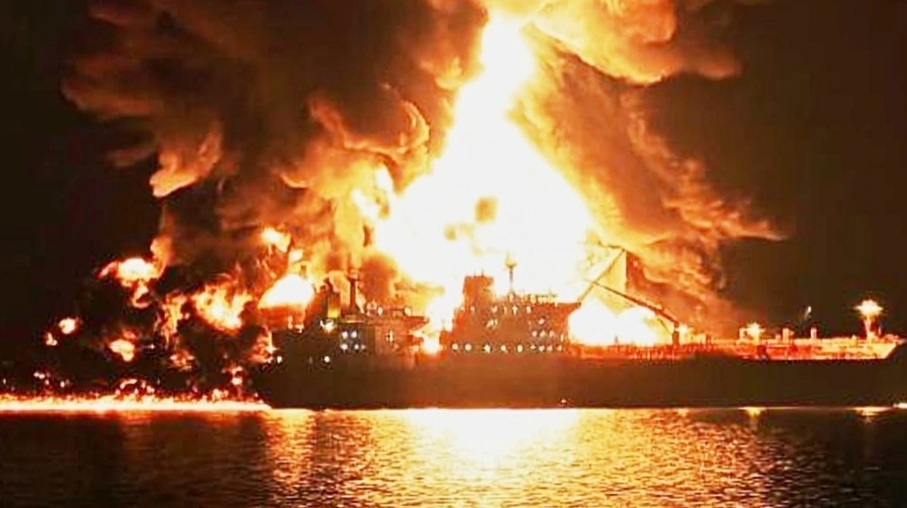
Reports from Al Jazeera indicate that recent strikes by US and Israeli forces have targeted Iranian civilian and petrochemical sites, resulting in casualties. Among the reported incidents was damage linked to the Bushehr nuclear facility, further intensifying concerns about the conflict’s trajectory.
The Strait of Hormuz remains central to the crisis due to its strategic importance. A significant portion of the world’s crude oil passes through this narrow waterway, and any disruption can have immediate consequences for global supply chains and fuel prices.
For countries reliant on energy imports, including India, the situation could translate into higher costs and increased economic uncertainty if the disruption continues. Analysts warn that prolonged instability in the region may also affect shipping routes and insurance costs for cargo vessels.
In a separate development, US authorities have reportedly detained two individuals alleged to be related to Qasem Soleimani, a former Iranian military commander. However, the individuals have denied any familial connection.
With both sides maintaining firm positions, the situation remains volatile. Diplomatic efforts appear limited at this stage, and the coming days are expected to be crucial in determining whether tensions escalate further or move towards de-escalation.
inputs and images : Hindustan samachar
Add indianewsjournal.in as a preferred source on google – click here
Edited By D.Rishidhar Reddy
About The Author