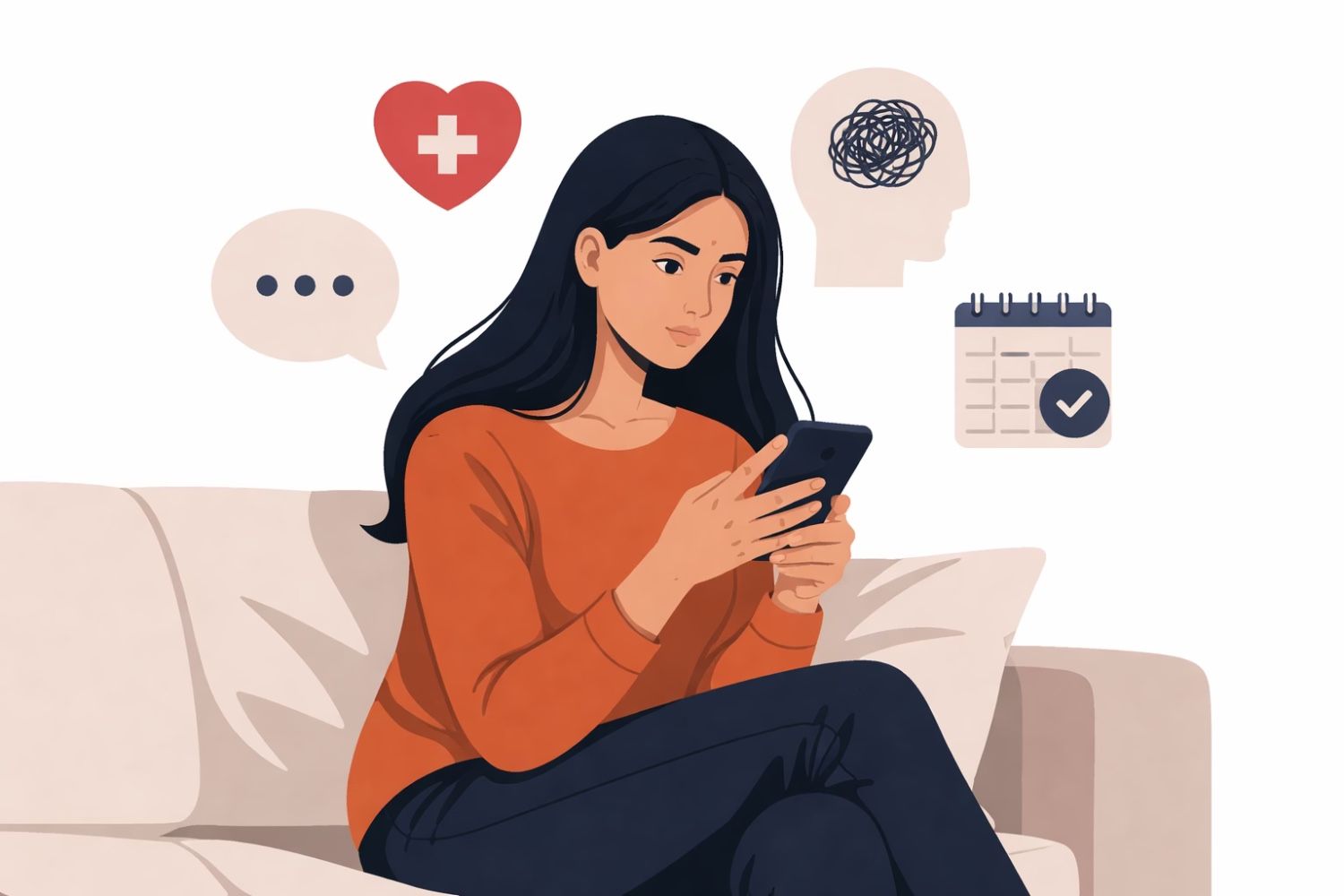
India is witnessing a sharp rise in online searches related to mental health support in 2026, reflecting a major shift in public awareness and attitudes. From queries about anxiety and depression symptoms to searches for therapy near me and online counselling, more Indians are actively looking for help than ever before.
The trend matters because India continues to face a large treatment gap in mental healthcare. Experts say the increase in searches is not a sign of worsening mental health alone. Instead, it signals that more people are willing to acknowledge emotional struggles and seek professional help.
With digital platforms playing a key role in access to information, the surge in mental health-related searches highlights a new phase in India’s healthcare journey — one driven by awareness, openness, and technology.
Growing Online Interest Reflects Changing Mindset
Data from search trends over recent years shows steady growth in queries related to stress, depression, panic attacks, sleep problems, and relationship counselling. Mental health support searches tend to rise during exam seasons, job market stress periods, and after major social events.
Public health experts say this rise aligns with broader awareness campaigns and institutional initiatives. The Government of India has expanded mental healthcare services under the National Mental Health Programme (NMHP), which has been in place since 1982 and continues to evolve.
In addition, the Mental Healthcare Act, 2017, which came into force in 2018, legally guarantees the right to mental healthcare services. It decriminalised suicide attempts and strengthened patient rights. Many mental health professionals believe that these policy changes have contributed to a gradual reduction in stigma.
India’s Mental Health Burden Remains Significant
According to findings from the National Mental Health Survey conducted by the National Institute of Mental Health and Neurosciences (NIMHANS), nearly 1 in 7 Indians experience some form of mental health condition during their lifetime. The survey also highlighted a significant treatment gap, meaning many people do not receive care despite needing it.
Experts note that urbanisation, work stress, academic pressure, financial uncertainty, and social media exposure have all contributed to rising stress levels, particularly among young people.
However, specialists caution against assuming that rising search volumes mean mental health conditions are increasing at the same rate. Instead, they say, it may reflect improved awareness and willingness to talk about mental health.
Youth and Working Professionals Lead the Trend
Mental health professionals report that young adults and working professionals are among the most active groups seeking support online.
Students preparing for competitive exams often search for coping techniques for anxiety and concentration issues. Corporate employees frequently look up stress management, burnout symptoms, and therapy options.
Work-from-home patterns during and after the pandemic years also reshaped mental health conversations. Although the peak pandemic period has passed, its impact on emotional wellbeing remains visible.
Telemedicine and online counselling platforms have made therapy more accessible, especially in cities where long working hours often discourage in-person appointments.
Digital Platforms Make Support More Accessible
The rise in mental health support searches is closely linked to digital access. India has one of the largest internet user bases in the world. With smartphone penetration expanding across urban and semi-urban areas, more people can easily look up symptoms and support options.
The Government’s national tele-mental health initiative, launched in recent years to expand digital mental healthcare access, has added structured support systems through helplines and online services. Several states have also introduced local helpline numbers for crisis intervention.
Mental health awareness campaigns on social media platforms have further normalised conversations around therapy and emotional wellbeing. Public figures speaking openly about their experiences have also reduced social stigma.
Reduced Stigma Encourages Help-Seeking Behaviour
For decades, mental health issues in India were often hidden due to social stigma. Many families hesitated to seek psychiatric support because of fear of judgment.
However, awareness campaigns, school counselling programmes, and workplace mental health policies are gradually changing this narrative.
Large organisations now offer employee assistance programmes. Universities have begun to establish counselling centres on campuses. These steps signal that mental wellbeing is being treated as an essential part of overall health.
Mental health experts say that increased online searches show that people are no longer waiting for crisis points. Many are proactively seeking coping strategies and preventive support.
Rural-Urban Gap Still Exists
Despite the rise in online searches, access to professional mental healthcare remains uneven across India.
Urban areas have greater availability of psychologists and psychiatrists. Rural regions often face shortages of trained professionals.
The treatment gap, highlighted by national surveys, remains a concern. Awareness alone is not enough without accessible services.
Public health specialists stress the importance of strengthening district-level mental health services under the National Mental Health Programme. Expanding trained counsellors in primary health centres is seen as a key solution.
Why 2026 Marks a Notable Shift
Experts believe 2026 stands out because the mental health conversation has moved from reactive to preventive.
Earlier, people mostly searched for help after severe distress. Now, there is growing interest in self-care practices, mindfulness, stress management techniques, and emotional resilience.
Searches for terms like therapy cost in India, how to find a psychologist, and online mental health consultation suggest that people are exploring professional options more seriously.
This shift aligns with global patterns where mental health awareness has grown after pandemic years. In India, the conversation has become more mainstream in schools, workplaces, and public policy.
Role of Schools and Universities
Educational institutions are playing an important role in this awareness wave.
Many schools have introduced life skills programmes that teach emotional regulation and stress management. Universities are organising mental health workshops and counselling sessions, especially during exam periods.
Parents are also becoming more open to seeking professional advice for children facing academic or social pressure.
This gradual normalisation reduces long-term stigma and builds early intervention systems.
Corporate India’s Mental Health Push
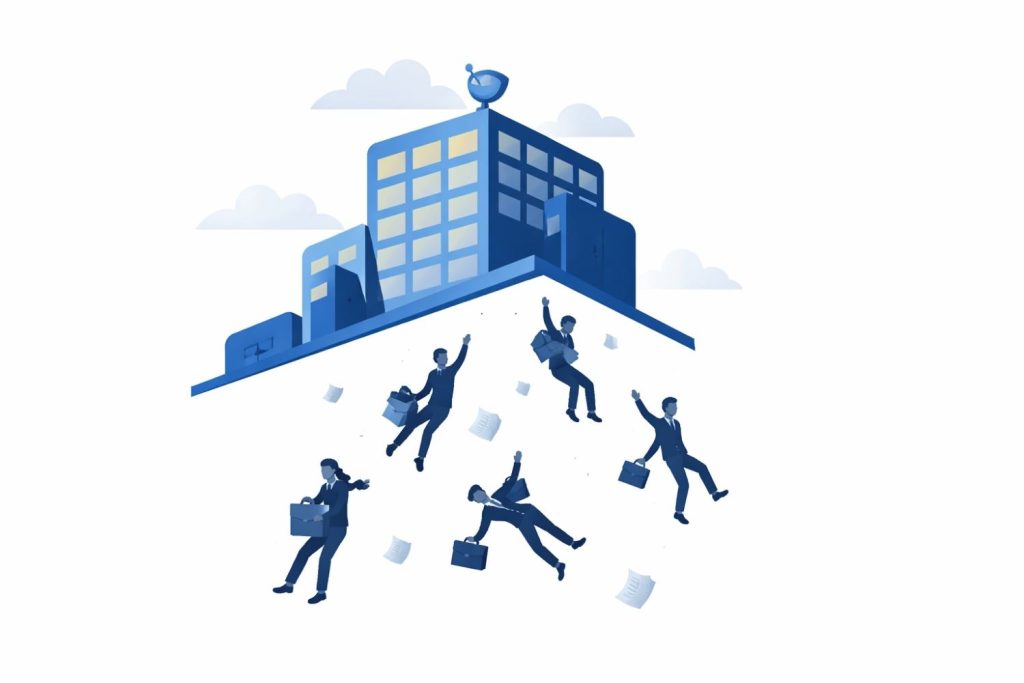
Workplace mental health is now a recognised concern in corporate India.
Organisations are offering flexible work options, mental health days, and access to counsellors. Human resource departments increasingly conduct stress management sessions.
Experts say that workplace awareness contributes significantly to search behaviour. Employees often begin by searching privately before approaching HR or a counsellor.
The integration of mental health policies into corporate frameworks reflects a broader cultural shift.
What Experts Say About the Trend
Mental health specialists emphasise that rising searches are a positive sign.
They suggest that when people search for symptoms or therapy options, it often means they are ready to take the first step.
However, professionals caution against relying solely on internet advice. Verified sources and qualified practitioners remain essential for diagnosis and treatment.
The rise in digital mental health platforms must be accompanied by regulatory standards and professional oversight to ensure safe care.
Government Initiatives Strengthen the Ecosystem
India’s mental healthcare framework has expanded steadily over the past decade.
The Mental Healthcare Act strengthened legal protections. The National Mental Health Programme continues to expand services at district levels. Tele-mental health initiatives aim to bridge geographic gaps.
These measures collectively create an environment where awareness campaigns translate into real support systems.
Experts say continued funding, training, and public education are crucial to sustain the momentum.
The Road Ahead for Mental Health Awareness in India
The rise in mental health support searches in 2026 marks a turning point in India’s healthcare narrative.
It reflects a society that is slowly embracing emotional wellbeing as a legitimate and necessary concern.
However, awareness must be matched by service availability. Reducing the treatment gap remains the biggest challenge.
Policymakers, healthcare providers, educational institutions, and employers will need to work together to ensure that those seeking help can find it.
For now, the growing search trend offers a hopeful sign: more Indians are willing to speak up, seek support, and prioritise mental health.
In a country where silence once dominated the conversation, that change alone is significant.
Disclaimer: The information presented in this article is intended for general informational purposes only. While every effort is made to ensure accuracy, completeness, and timeliness, data such as prices, market figures, government notifications, weather updates, holiday announcements, and public advisories are subject to change and may vary based on location and official revisions. Readers are strongly encouraged to verify details from relevant official sources before making financial, investment, career, travel, or personal decisions. This publication does not provide financial, investment, legal, or professional advice and shall not be held liable for any losses, damages, or actions taken in reliance on the information provided.
Edited by D.Rishidhar reddy
About The Author