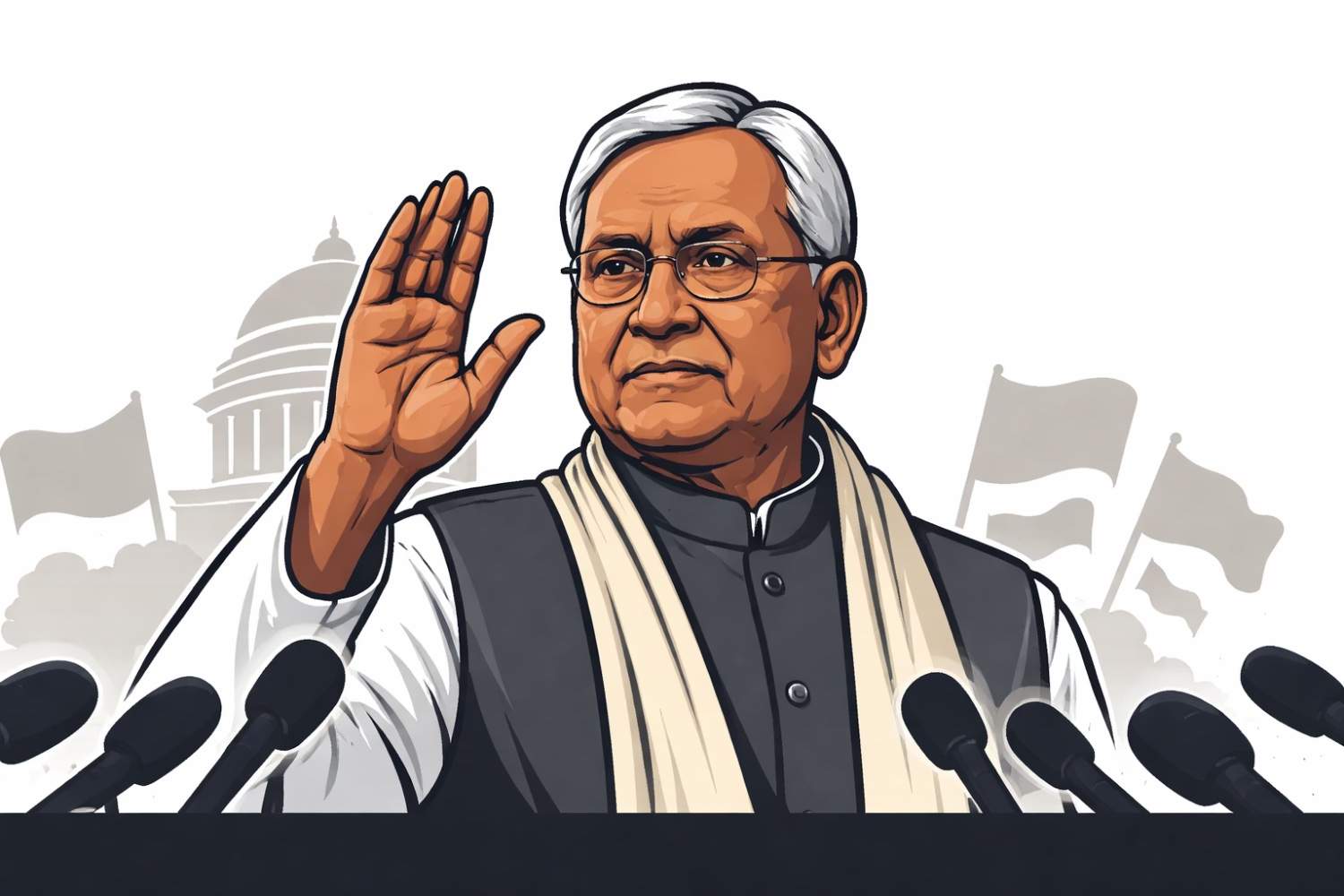
Bihar politics is witnessing a moment of uncertainty as speculation grows over whether Chief Minister Nitish Kumar may step down from his post after indicating his intention to enter the Rajya Sabha. The development has triggered intense discussion across political circles about the future leadership of the state and the direction of the ruling alliance.
Recent political discussions intensified after reports that Nitish Kumar is likely to contest the Rajya Sabha elections scheduled in March 2026. While there has been no official resignation announcement, the possibility of his move to Parliament has led to widespread debate about whether Bihar could soon see a new chief minister.
For one of India’s most politically significant states, even the suggestion of a leadership transition has quickly become a major national political story.
Why Nitish Kumar’s Possible Exit Matters
Nitish Kumar has been the dominant political figure in Bihar for nearly two decades. He has served multiple terms as chief minister and played a central role in shaping the state’s governance model.
His leadership period saw major policy focus on infrastructure development, social welfare schemes, and administrative reforms. Over the years, Kumar built an image as a leader focused on governance and development.
Because of this long tenure, any discussion about him stepping down immediately becomes a major political development. It could mark the end of a long political era in Bihar, and potentially open the door for a new generation of leadership within the state government.
Political observers say that a leadership transition at this stage would not only reshape Bihar politics but also influence national political strategies.
Rajya Sabha Move Sparks Leadership Debate
The immediate reason for the political buzz is Nitish Kumar’s expected move to the Rajya Sabha. Entering the Upper House of Parliament is often seen as a step toward greater involvement in national political debates.
If Kumar is elected to the Rajya Sabha, questions naturally arise about whether he will continue serving as Bihar’s chief minister or eventually step aside from the state leadership.
At present, there has been no official statement confirming that he will resign as chief minister. However, the timing of the Rajya Sabha nomination has triggered strong speculation among political observers.
Some analysts believe that the move could allow Kumar to focus on national politics while enabling a new leadership structure to take charge of Bihar’s administration.
JD(U) Workers Urge Nitish Kumar to Continue as CM
Amid the growing political speculation, many leaders and workers from Janata Dal (United) have openly expressed support for Nitish Kumar to remain chief minister.
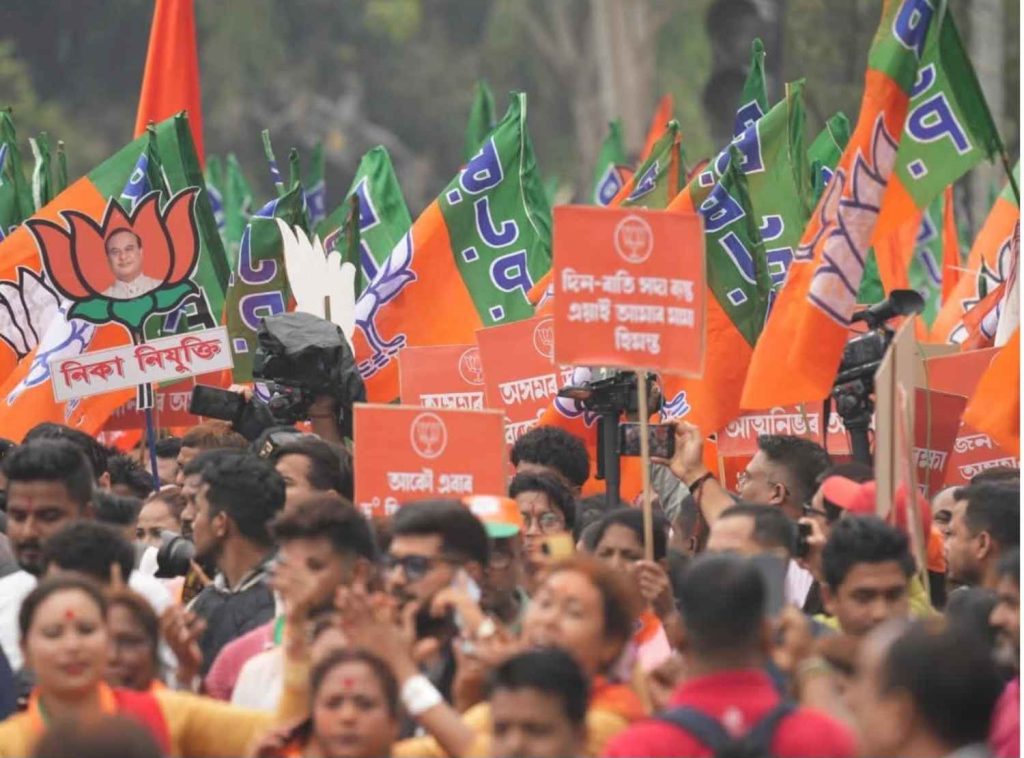
Party supporters gathered in Patna and raised slogans demanding that Kumar should continue leading the state government. Many within the party see him as the most experienced leader capable of maintaining political stability in Bihar.
Senior JD(U) figures have also emphasised that no official decision regarding leadership change has been announced and that the party stands firmly behind Kumar.
For them, Nitish Kumar remains the central figure around whom the party’s political strategy revolves.
Coalition Partners Seek to Calm Speculation
Leaders from the ruling alliance have also attempted to reduce speculation about a possible leadership change.
Several coalition figures have said that the government in Bihar is functioning normally and that no discussions about replacing the chief minister have taken place publicly.
Political insiders say any decision about leadership would involve consultations between alliance partners and the JD(U) leadership. Bihar’s coalition politics often requires careful balancing between partners, and sudden leadership shifts are usually handled through internal negotiations.
As a result, many leaders are urging patience until official announcements are made.
Possible Successor Debate Begins
Despite the lack of official confirmation, discussions about possible successors have already begun within political circles.
If Nitish Kumar eventually decides to step down, the ruling coalition would need to select a new leader who can maintain both administrative continuity and political balance.
Several names from within the alliance have been mentioned informally in political discussions. However, no candidate has been officially proposed or confirmed.
Political analysts say the choice of a successor would depend on multiple factors, including coalition agreements, party strength within the assembly, and political strategy ahead of future elections.
Because Bihar plays a major role in national politics, any leadership decision will be closely watched across the country.
Nitish Kumar’s Long Political Career
Nitish Kumar’s political journey spans more than four decades and includes roles in both state and national politics.
He began his political career during the Jayaprakash Narayan movement, which shaped a generation of political leaders in northern India. Over time, Kumar emerged as one of the most influential leaders from Bihar.
He has served as a Union minister in the past and has also held the chief minister’s office multiple times. His governance approach focused heavily on development policies, social welfare programs, and improving state administration.
During his tenure, several initiatives aimed at improving road infrastructure, expanding education access, and supporting women’s empowerment programs were introduced.
These policies contributed to his reputation as a governance-oriented leader and helped shape Bihar’s political narrative over the years.
Impact on Bihar’s Political Landscape
If Nitish Kumar eventually leaves the chief minister’s position, it could reshape the political landscape of Bihar in several ways.
First, it would mark a major generational shift in leadership. Bihar politics has long revolved around a small group of senior leaders, and a transition could bring new faces to the forefront.
Second, it could influence coalition dynamics within the state government. Political alliances in Bihar often depend on strong leadership and careful power-sharing arrangements.
Third, it may affect preparations for upcoming elections, as parties reassess their strategies and leadership structures.
Because Bihar holds 40 seats in the Lok Sabha, developments in the state often have national political implications.
Opposition Reacts to Political Buzz
Opposition parties have also reacted to the growing speculation about a leadership change.
Some opposition leaders have argued that Bihar needs stability and clarity from the ruling alliance regarding its leadership.
Others say that leadership debates within the ruling coalition highlight the changing political environment in the state.
However, opposition parties have largely taken a wait-and-watch approach, noting that no official announcement has been made.
What Happens Next
The next major development will likely be connected to the Rajya Sabha election process.
If Nitish Kumar proceeds with his nomination and election to the Upper House, attention will turn to whether he continues as chief minister or decides to step aside.
Political observers say three developments will determine the situation:
The finalisation of Rajya Sabha nominations.
The outcome of the Rajya Sabha election.
Any formal statement from Nitish Kumar or the ruling alliance about Bihar’s leadership.
Until then, the state’s political future remains uncertain.
A Key Moment for Bihar Politics
Regardless of the final outcome, the current political buzz represents a significant moment in Bihar’s political journey.
Nitish Kumar has shaped the state’s political direction for many years, and discussions about his future role naturally carry major implications.
Whether he continues as chief minister or transitions to a new role in national politics, the coming weeks could define the next phase of leadership in Bihar.
For now, political leaders, party workers, and voters across the state are closely watching the developments that could reshape Bihar’s political landscape.
Disclaimer: The information presented in this article is intended for general informational purposes only. While every effort is made to ensure accuracy, completeness, and timeliness, data such as prices, market figures, government notifications, weather updates, holiday announcements, and public advisories are subject to change and may vary based on location and official revisions. Readers are strongly encouraged to verify details from relevant official sources before making financial, investment, career, travel, or personal decisions. This publication does not provide financial, investment, legal, or professional advice and shall not be held liable for any losses, damages, or actions taken in reliance on the information provided.
edited by D Rishidhar Reddy
About The Author