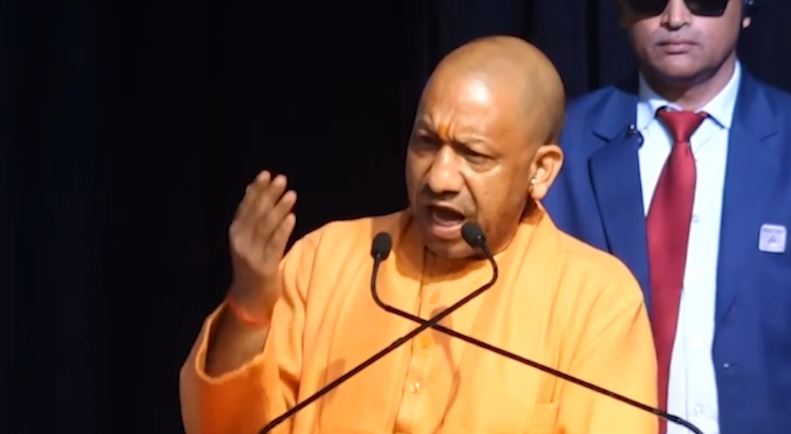
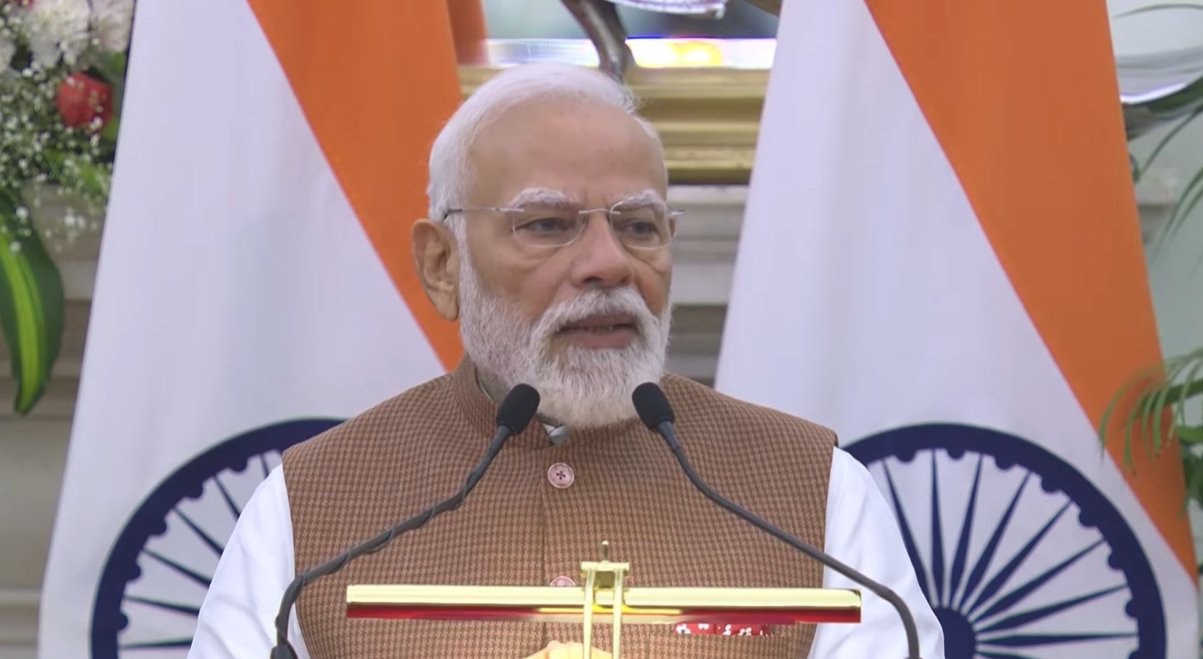
Prime Minister Narendra Modi will undertake a multi-city visit to Gujarat on March 31, combining cultural, industrial and infrastructure engagements. The visit begins in Gandhinagar and Ahmedabad and concludes with major project launches in the Vav–Tharad region.
The day’s events coincide with Mahavir Jayanti, adding a cultural dimension to a visit otherwise focused on economic development and infrastructure expansion.
The Prime Minister is scheduled to inaugurate the Samrat Samprati Museum at Koba Tirth in Gandhinagar. The museum is dedicated to Jain heritage and has been developed to mark Mahavir Jayanti. Officials said the initiative reflects efforts to preserve and promote India’s religious and cultural traditions. A public address is also planned at the venue.
Later in Ahmedabad, Modi will inaugurate the Kaynes Semicon plant at Sanand GIDC. The facility is expected to manufacture intelligent power modules used in automotive and industrial sectors. It will become India’s second commercial semiconductor facility after Micron Technology established operations in the country.
The project is part of the India Semiconductor Mission, a central initiative aimed at building domestic chip manufacturing capacity. Industry experts view such investments as critical to reducing India’s reliance on semiconductor imports and strengthening supply chain resilience.
In the afternoon, the Prime Minister will travel to Vav–Tharad, where he is set to inaugurate and lay foundation stones for projects worth over ₹20,000 crore. These projects span sectors including transport, energy, railways, urban development, and public infrastructure.
Among the key projects is the Ahmedabad–Dholera Expressway, which is expected to improve connectivity to the Dholera Special Investment Region, a planned industrial and smart city hub. Road upgrades, including the Idar–Badoli bypass and improvements along NH-754K, are also part of the plan. Several flyovers on the Gandhinagar–Koba–Airport corridor are being developed to ease urban congestion.
Energy infrastructure will also receive a boost, with the development of renewable power transmission systems, including the Khawda pooling station. Railway upgrades, including track doubling and quadrupling, aim to enhance freight and passenger movement efficiency.
In addition, the government will roll out 44 urban development projects worth over ₹5,300 crore. These include expansions of the Sabarmati Riverfront, tourism-focused initiatives such as light-and-sound shows at Rani ki Vav and Sharmishtha Lake, and improvements in public amenities like rain shelters at civil hospitals.
Water infrastructure projects are expected to benefit around 15 lakh people through expanded pipeline networks. The visit also includes initiatives aimed at improving facilities in tribal areas, including hostel construction and tourism-related infrastructure.
Officials say the wide range of projects reflects a coordinated effort to enhance connectivity, strengthen industrial capacity, and improve quality of life through better urban and rural infrastructure.
Gujarat has been a focal point for infrastructure-led growth and industrial investment, particularly with developments such as the Dholera Special Investment Region and renewable energy expansion in the Kutch region. The semiconductor plant, in particular, aligns with India’s broader strategy to position itself as a global hub for electronics manufacturing.
The projects announced during the visit are expected to generate employment, improve logistics, and support long-term economic growth. The semiconductor facility also signals a step forward in India’s efforts to build a self-reliant technology ecosystem.
With a mix of cultural and economic initiatives, the visit highlights the government’s dual focus on heritage preservation and industrial development, with implementation expected to unfold over the coming months and years.
inputs and images : Hindustan samachar
Edited By D.Rishidhar Reddy
About The Author