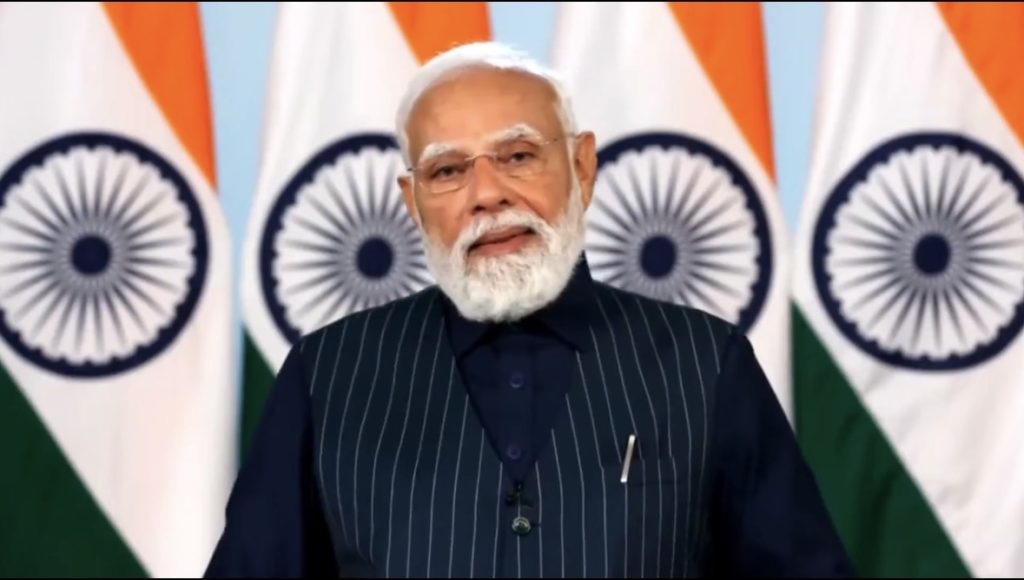
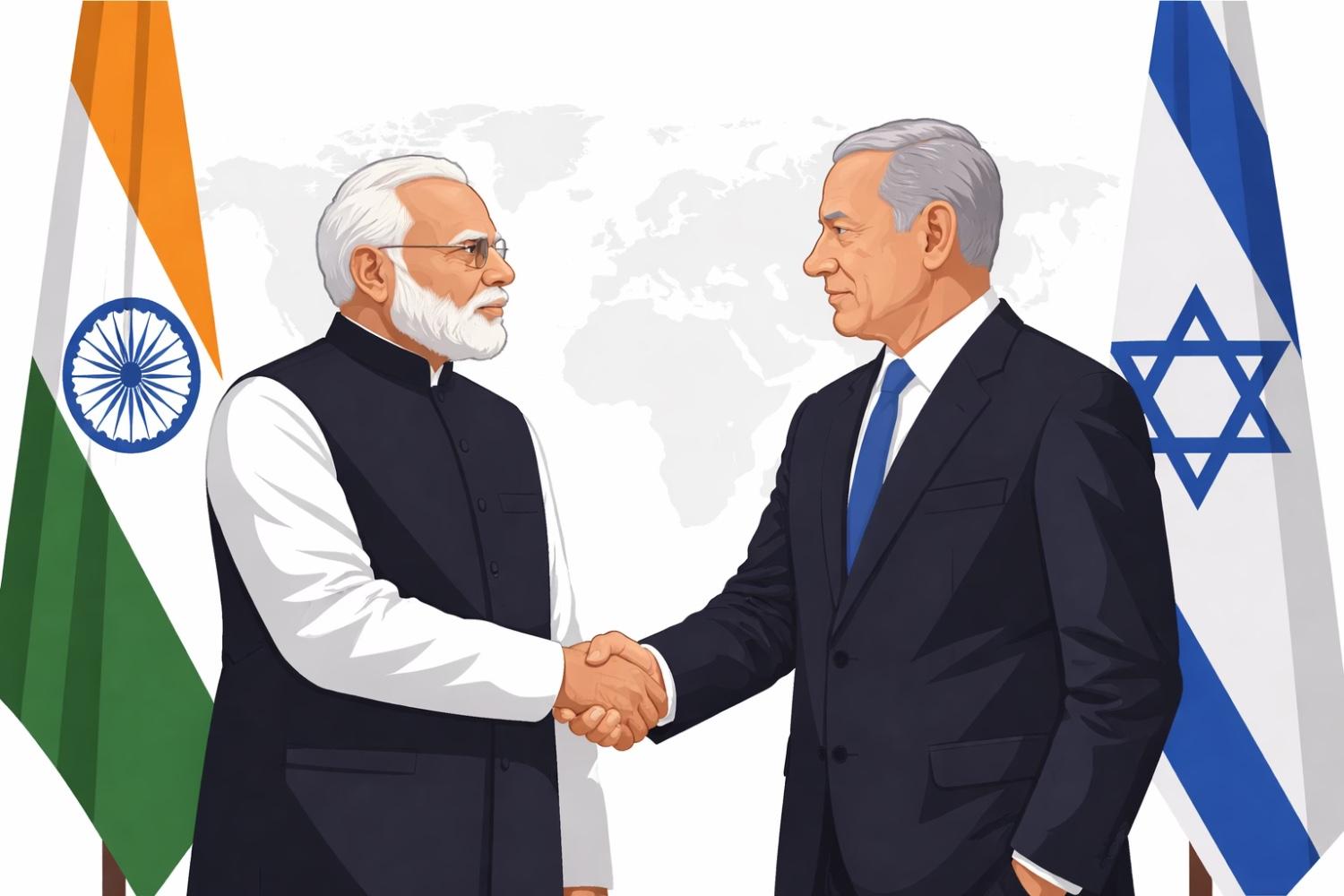
Prime Minister Narendra Modi’s 2026 visit to Israel has drawn global attention, with Israeli Prime Minister Benjamin Netanyahu describing the trip as “historic” at a time of shifting geopolitics in West Asia. The high-level engagement comes amid regional tensions, security concerns, and growing economic cooperation between New Delhi and Tel Aviv.
For India, the visit signals continuity in a relationship that has expanded steadily over the past decade. For Israel, it underlines India’s importance as a strategic partner in Asia. The meeting is closely watched in diplomatic circles because it comes at a sensitive time in the region and could shape defence, technology, and connectivity cooperation in the coming years.
A Diplomatic Milestone in India–Israel Relations
India and Israel established full diplomatic relations in 1992. Since then, ties have grown across defence, agriculture, water management, cybersecurity, and innovation.
Prime Minister Modi made history in 2017 when he became the first Indian Prime Minister to visit Israel. That visit marked a shift in India’s approach, as New Delhi began engaging Israel openly while also maintaining its long-standing support for a two-state solution in the Israel-Palestine conflict.
The 2026 visit builds on that foundation. Israeli Prime Minister Benjamin Netanyahu has called the current engagement “historic,” pointing to the growing depth of strategic cooperation between the two nations.
For India, the visit reinforces its balanced diplomatic approach in West Asia. New Delhi has strong ties not only with Israel but also with Gulf nations and Iran. This careful balance remains central to India’s foreign policy.
Defence Cooperation: A Core Pillar
One of the most important aspects of India–Israel ties is defence cooperation.
Israel has been among India’s top defence suppliers for years. The partnership includes missile systems, drones, radar technology, and electronic warfare systems. Several joint development projects have also been undertaken between Indian and Israeli defence companies.
During the 2026 visit, defence cooperation is expected to remain high on the agenda. Both sides are focused on expanding joint production under India’s “Make in India” initiative, enhancing technology transfers, and strengthening cooperation in counter-terrorism and intelligence sharing.
India faces security challenges along its borders and from non-state actors. Israel’s experience in advanced defence systems and homeland security makes it a key partner.
However, any new agreements will be carefully assessed in light of regional sensitivities and global security concerns.
Technology, Innovation and Start-Up Collaboration
Another major focus of the visit is technology.
Israel is often referred to as the “Start-up Nation” due to its strong innovation ecosystem. India, meanwhile, has one of the world’s fastest-growing digital economies.
The two countries have already collaborated in agricultural technology, water recycling and drip irrigation, artificial intelligence, cybersecurity, and space cooperation. India and Israel also operate an innovation fund aimed at supporting joint research and industrial projects.
During the 2026 visit, discussions are expected to cover expansion of technology partnerships, semiconductor and deep-tech collaboration, and stronger ties between Indian and Israeli start-ups.
With India aiming to become a global manufacturing and digital hub, technology cooperation with Israel is seen as strategic.
West Asia Stability and Regional Security
The visit comes at a time when West Asia remains tense. Ongoing conflicts and shifting alliances have created uncertainty in the region.
India has major stakes in West Asia. Millions of Indian expatriates live and work in the Gulf. A significant portion of India’s energy imports comes from the region. Trade and connectivity routes pass through these corridors.
While engaging Israel, India has continued to advocate dialogue and stability in the broader region. New Delhi has consistently supported peaceful solutions and a two-state framework.
Diplomatic observers say the 2026 visit reflects India’s effort to maintain strong bilateral ties with Israel without compromising its balanced approach toward other West Asian countries.
Economic and Trade Ties on the Rise
Bilateral trade between India and Israel has grown steadily over the years.
Trade now covers areas such as defence equipment, chemicals and pharmaceuticals, agricultural products, and technology services. Both sides have explored the possibility of expanding economic engagement beyond traditional sectors.
During the visit, economic cooperation discussions are expected to focus on increasing bilateral trade volumes, encouraging investment flows, and enhancing cooperation in renewable energy and clean technology.
India’s growing market and Israel’s innovation capabilities make the partnership economically complementary.
Water and Agriculture: A Quiet Success Story
One of the most successful aspects of India–Israel cooperation has been agriculture and water management.
Israel’s expertise in drip irrigation and desert farming has helped Indian farmers improve productivity in water-scarce regions. Several Centres of Excellence across Indian states showcase Israeli agricultural techniques adapted for local use.
With climate change intensifying water stress, this area of cooperation is likely to gain more attention during the visit.
Strategic Significance for India
For India, the visit serves multiple strategic objectives.
It strengthens defence ties at a time when regional security remains complex. It boosts technology cooperation, which is critical for economic growth. It also reinforces India’s image as an independent global player that engages with all major actors based on national interest.
At the same time, New Delhi continues to maintain relations with Palestinian authorities and Arab states. This balanced approach has helped India avoid diplomatic strain while deepening ties with Israel.
Why Netanyahu Called the Visit ‘Historic’
Prime Minister Benjamin Netanyahu described the visit as “historic” for several reasons.
First, the relationship between the two countries has transformed over the past decade from a limited defence partnership into a broad strategic alliance.
Second, the visit signals continuity and political commitment at the highest level.
Third, it comes at a time when global alliances are being reshaped. Strong India–Israel cooperation adds weight to both countries on the international stage.
For Israel, closer ties with a major economy like India offer economic and diplomatic advantages. For India, Israel provides cutting-edge technology and strategic support.
India’s Broader West Asia Strategy
India’s foreign policy in West Asia is guided by pragmatism.
New Delhi maintains strong ties with Israel, Gulf Cooperation Council countries, and Iran. This multi-layered approach allows India to protect energy security, safeguard its diaspora, and expand trade partnerships.
The 2026 visit does not signal a shift in India’s core policy. Instead, it reinforces the idea that India engages with each partner based on mutual interest.
Global Context: Why the Visit Matters Now
The global order is undergoing rapid change.
Major powers are recalibrating alliances. Supply chains are being reorganised. Security concerns are rising in several regions.
In this context, India’s outreach to Israel sends a clear message that New Delhi is strengthening partnerships that enhance security, innovation, and economic resilience.
The visit also highlights India’s growing diplomatic influence. High-level engagements like this are closely watched not only in West Asia but also in other global capitals.
Conclusion: A Strategic Partnership in a Changing World
Prime Minister Narendra Modi’s Israel visit in 2026 marks another important chapter in India–Israel relations.Described as “historic” by Prime Minister Benjamin Netanyahu, the trip reflects a mature partnership that spans defence, technology, agriculture, and regional diplomacy.
For Indian readers, the visit matters because it affects national security, economic growth, and India’s global standing.
As West Asia navigates uncertainty, India’s balanced but firm engagement strategy continues to shape its role as a key diplomatic player.
The long-term impact of this visit will depend on the agreements signed and the strategic follow-up. But one thing is clear: India–Israel ties are now a visible and significant part of India’s global diplomacy in 2026.
Disclaimer: The information presented in this article is intended for general informational purposes only. While every effort is made to ensure accuracy, completeness, and timeliness, data such as prices, market figures, government notifications, weather updates, holiday announcements, and public advisories are subject to change and may vary based on location and official revisions. Readers are strongly encouraged to verify details from relevant official sources before making financial, investment, career, travel, or personal decisions. This publication does not provide financial, investment, legal, or professional advice and shall not be held liable for any losses, damages, or actions taken in reliance on the information provided.
About The Author