
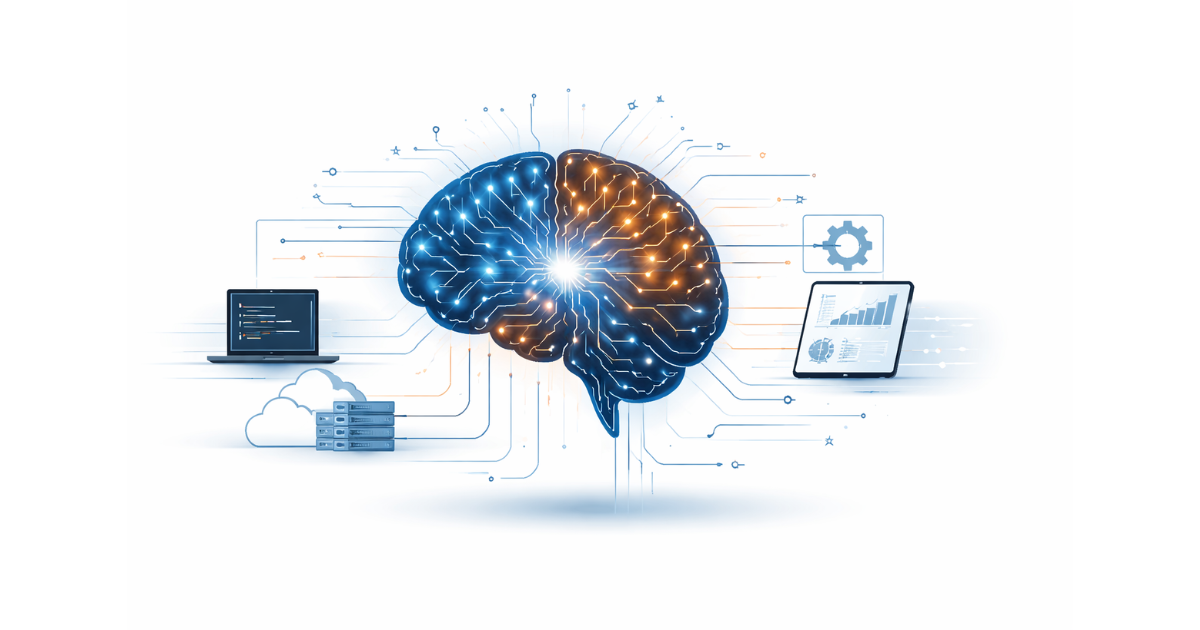
The year 2026 is shaping up to be a defining moment for artificial intelligence. After years of rapid growth, bold promises, and heavy investment, experts say this is the year when reality will catch up with hype.
Many technology leaders are calling 2026 the “Year of Truth” for AI. The reason is simple. Businesses, investors, and governments now want real results. They are no longer satisfied with experiments or flashy demos. They want proof that AI can deliver value, save money, improve productivity, and create sustainable jobs.
For India, this shift matters deeply. The country is home to one of the world’s largest software workforces. Any major change in AI trends directly affects millions of engineers, developers, startups, and IT service firms.
This article explains why 2026 is seen as a reality check for AI, what trends are emerging, and what software professionals in India should expect next.
Why 2026 Is Being Called the ‘Year of Truth’ for AI
From Hype to Accountability
Between 2023 and 2025, artificial intelligence saw massive adoption. Generative AI tools entered offices, classrooms, and homes. Companies announced AI integration across products and services.
However, many businesses are now asking hard questions:
- Is AI reducing costs?
- Is it improving output?
- Is it reliable and secure?
- Is it worth the investment?
In 2026, companies are focusing on measurable results. AI projects that cannot show clear benefits may face cuts.
This is the “truth” moment. Only practical and scalable AI solutions will survive.
Stricter Regulation and Responsible AI
Governments across the world are also increasing oversight. New rules around data privacy, misinformation, and automated decision-making are under discussion or already in place in several regions.
In India, discussions around AI governance and digital safety are gaining attention. Companies are expected to build transparent, explainable, and secure AI systems.
This means AI development is no longer just about speed. It is also about responsibility.
Major AI Trends Shaping 2026
1. Enterprise AI Moves Beyond Pilot Projects
Many firms started AI with small pilot programs. In 2026, the focus is on full-scale deployment.
Large IT companies are embedding AI into:
- Customer service
- Cybersecurity systems
- Cloud management
- Banking and fintech platforms
- Healthcare diagnostics
AI tools are now being judged on cost efficiency and real business impact.
2. Rise of AI Agents and Automation Tools
AI agents that can perform tasks with minimal human input are becoming more common.
These tools can:
- Write code
- Analyze data
- Generate reports
- Manage workflows
For companies, this means faster operations. For employees, it means work patterns are changing.
However, most businesses still rely on human supervision. AI is assisting, not fully replacing, skilled professionals.
3. Focus on AI Infrastructure and Chips
The demand for powerful computing systems remains high. AI models require strong cloud infrastructure and advanced processors.
Cloud providers and hardware companies are expanding capacity to support enterprise AI use.
In India, data center expansion is gaining speed as companies look to host AI workloads locally.
4. Cybersecurity Becomes a Priority
As AI adoption grows, so do security risks.
Companies are investing more in:
- AI threat detection
- Fraud monitoring systems
- Data protection frameworks
The “Year of Truth” also means AI systems must prove they are secure and safe.
5. Talent Shift: Quality Over Quantity
Hiring patterns are changing.
Instead of mass recruitment, companies are looking for:
- AI engineers
- Machine learning specialists
- Data scientists
- Cloud architects
- Cybersecurity experts
Routine coding roles may see slower growth. High-skill roles will remain in demand.
What This Means for Software Jobs in India
India’s IT and software sector employs millions. The shift in AI trends has direct implications.
1. Automation Will Change, Not Eliminate, Many Roles
There is concern that AI will replace software engineers.
The reality is more balanced.
AI tools can:
- Suggest code
- Detect bugs
- Automate testing
- Generate documentation
But human engineers are still needed to:
- Design systems
- Review outputs
- Ensure security
- Manage large projects
Entry-level tasks may change. But skilled professionals remain essential.
2. Upskilling Is No Longer Optional
In 2026, companies expect employees to understand AI tools.
Developers who learn:
- Machine learning basics
- Prompt engineering
- AI integration techniques
- Cloud-based AI deployment
will have stronger career prospects.
Indian professionals who invest in continuous learning are likely to benefit.
3. IT Services Firms Must Adapt Their Business Models
India’s major IT companies have traditionally relied on large teams handling outsourced work.
With AI automating repetitive tasks, clients now demand:
- Faster delivery
- Lower costs
- AI-driven solutions
This pushes firms to move from manpower-heavy models to value-driven AI services.
Companies that adapt quickly may see growth. Those that delay may struggle.
4. Startups Get New Opportunities
For Indian startups, 2026 presents opportunity.
Businesses are looking for:
- AI tools tailored to Indian languages
- AI solutions for agriculture
- Healthcare AI systems
- Fintech risk analysis platforms
The focus on real-world results benefits startups that solve practical problems instead of chasing hype.
5. Salary Trends May Become Skill-Based
Salary growth may not be uniform.
AI specialists and cloud experts may command higher pay.
Routine development roles could see stable or slower growth compared to previous years.
The key factor will be specialization.
AI in Key Indian Sectors in 2026
Banking and Financial Services
AI is being used for:
- Fraud detection
- Risk assessment
- Chat-based customer support
- Credit scoring
Banks are focusing on compliance and secure deployment.
Healthcare
Hospitals and health-tech firms are exploring AI for:
- Medical imaging analysis
- Patient data management
- Early disease detection
However, strict data privacy rules apply.
E-commerce and Retail
AI is helping companies with:
- Personalised recommendations
- Inventory management
- Customer service automation
The goal is improved efficiency and better user experience.
Government and Public Services
Digital governance initiatives are exploring AI for:
- Citizen grievance systems
- Data analysis
- Urban planning support
Transparency and accountability remain key concerns.
Challenges That Could Shape 2026
High Costs of AI Deployment
Training and running advanced AI systems requires significant investment.
Not all companies can afford large-scale implementation.
This may slow adoption in smaller firms.
Data Privacy Concerns
As AI systems rely on large data sets, data protection becomes critical.
Any misuse can lead to legal issues and reputational damage.
Skill Gap
While demand for AI talent is rising, the supply of highly trained professionals remains limited.
Bridging this gap is essential for India’s technology leadership.
The Bigger Picture: A Maturing AI Industry
The “Year of Truth” does not mean AI is declining.
It means the industry is maturing.
In earlier years, attention was on speed and expansion.
In 2026, the focus shifts to:
- Reliability
- Measurable business impact
- Responsible use
- Sustainable growth
Companies must show results. Investors want returns. Governments want safety.
This shift brings stability.
What Indian Software Professionals Should Do Now
- Learn how AI tools work in real projects.
- Focus on problem-solving, not just coding.
- Strengthen cloud and cybersecurity skills.
- Stay updated with AI regulations and compliance rules.
- Build domain knowledge in sectors like finance, healthcare, or retail.
Professionals who adapt early will remain competitive.
Conclusion: 2026 Will Separate Hype from Reality
The technology industry is entering a serious phase.
Artificial intelligence is no longer just a trend. It is infrastructure.
But 2026 will test whether AI can truly deliver on its promises.
For India’s software sector, this is both a challenge and an opportunity.
Jobs may evolve. Skills will shift. Business models will change.
Yet the demand for innovation, efficiency, and skilled talent remains strong.
As experts describe it, 2026 is the “Year of Truth” for AI.
For Indian tech workers and companies, it is also a year of transformation.
Disclaimer: The information presented in this article is intended for general informational purposes only. While every effort is made to ensure accuracy, completeness, and timeliness, data such as prices, market figures, government notifications, weather updates, holiday announcements, and public advisories are subject to change and may vary based on location and official revisions. Readers are strongly encouraged to verify details from relevant official sources before making financial, investment, career, travel, or personal decisions. This publication does not provide financial, investment, legal, or professional advice and shall not be held liable for any losses, damages, or actions taken in reliance on the information provided.
About The Author