
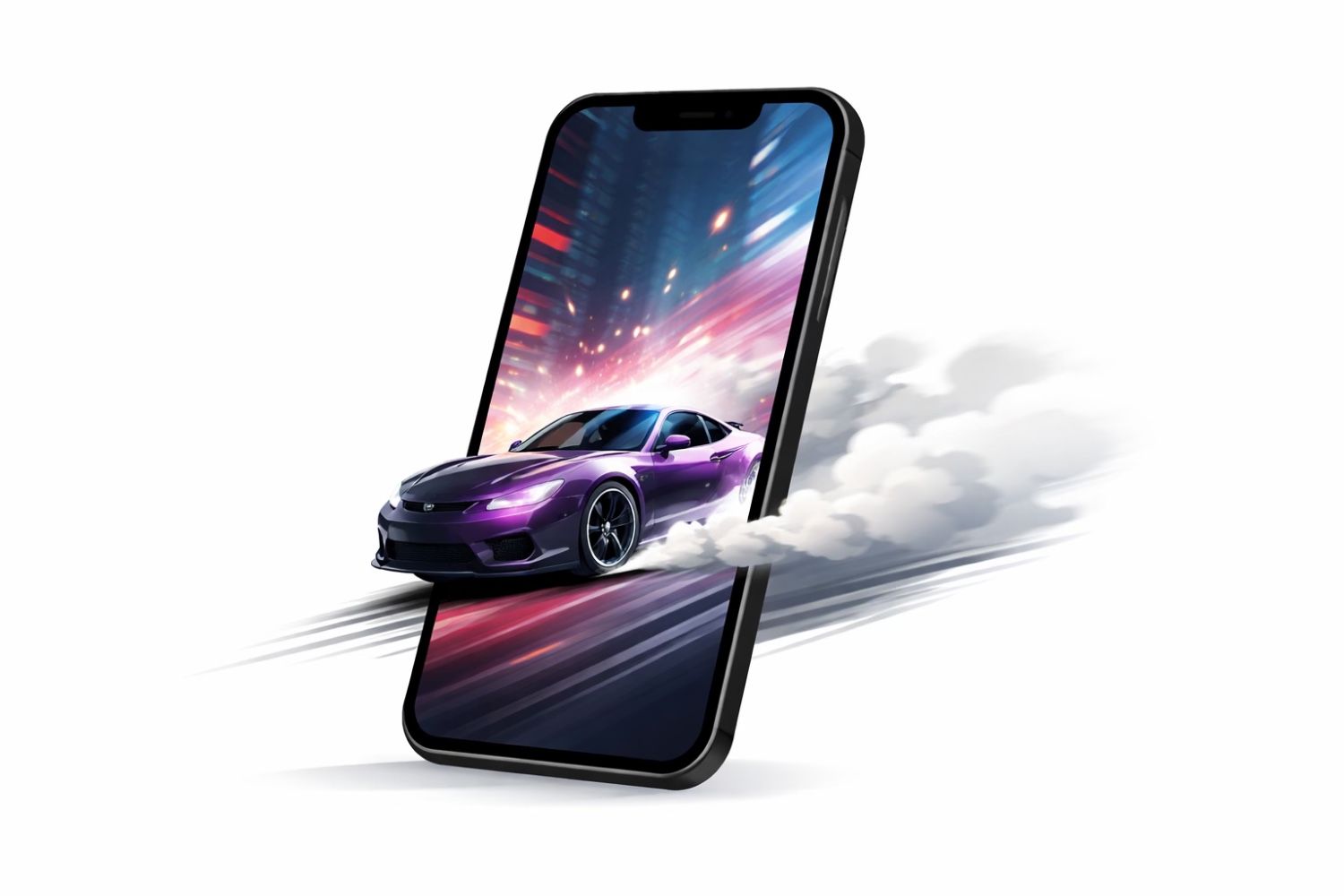
The “Tokyo Drift AI” trend is rapidly dominating Instagram Reels, YouTube Shorts and other short-video platforms across India. Over the past few weeks, thousands of users have shared stylised clips that recreate high-speed drifting visuals inspired by the street racing culture popularised by the 2006 film The Fast and the Furious: Tokyo Drift.
What makes this trend different is the use of artificial intelligence tools that transform ordinary videos into cinematic racing scenes. With AI filters, motion effects and automated editing apps becoming more accessible, the trend has spread beyond car enthusiasts to students, influencers and casual social media users.
For Indian readers, this matters because it reflects how AI-powered creativity is shaping online culture in 2026. It also shows how global pop culture references continue to influence local digital trends.
What Is the ‘Tokyo Drift AI’ Trend?
The trend combines three main elements: AI video editing tools, dramatic car drift visuals and fast-paced background music often associated with The Fast and the Furious franchise.
The Fast and the Furious: Tokyo Drift introduced global audiences to Japanese street racing and drifting culture. The film’s high-energy racing scenes, neon-lit streets and sharp car turns created a visual style that still resonates online.
In the current trend, users upload a regular video of themselves walking, posing or even standing still. AI-powered apps then transform the clip into a dramatic sequence where the subject appears inside or near a drifting sports car. Some versions simulate sparks, smoke and sharp camera movements.
Many creators also use the soundtrack “Tokyo Drift (Fast & Furious)” by Teriyaki Boyz, which gained global popularity after the film’s release.
The result is a short, cinematic clip that feels intense and dramatic, even though it is created from a simple smartphone video.
How the Trend Went Viral in India
Short-form video platforms have played a major role in spreading the Tokyo Drift AI trend.
On Instagram Reels, creators began sharing “before and after” videos showing how a basic clip was transformed using AI filters. The dramatic change helped the format gain quick traction. YouTube Shorts soon followed, with tutorial videos explaining how to recreate the effect.
Several factors helped the trend grow in India.
The popularity of car culture content, including supercar edits and racing montages.
The widespread availability of AI editing tools that do not require advanced skills.
The influence of film nostalgia, especially among millennials who grew up watching the Fast & Furious franchise.
The trend has not been limited to metro cities. Users from tier-2 and tier-3 cities are also participating, showing how AI tools are reaching a wider audience.
Why AI Tools Are Driving the Trend
Artificial intelligence has made advanced video editing easier than ever. Earlier, creating cinematic effects required professional software and technical knowledge. Today, many mobile apps offer automated templates powered by AI.
These tools can detect a person in a video, separate the background and add motion blur, smoke effects or dynamic camera angles. Some apps also use AI to generate entirely new backgrounds, such as neon cityscapes that resemble Tokyo’s street racing scenes.
This ease of use has lowered the entry barrier. A user only needs a smartphone and an editing app to join the trend.
The Tokyo Drift AI trend highlights a broader shift in India’s digital space. AI is no longer limited to chatbots or image generators. It is now deeply integrated into everyday content creation.
The Cultural Influence of ‘Tokyo Drift’
When The Fast and the Furious: Tokyo Drift was released in 2006, it introduced many Indian viewers to drifting, a driving technique where the car slides sideways through corners while maintaining control.
The film also highlighted Japanese street style, modified cars and underground racing culture. Over the years, these elements influenced car modification communities and auto enthusiasts in India.
While the current AI trend is more about digital creativity than real racing, it draws heavily from that visual language. Neon tones, fast cuts and dramatic music are central to the format.
It is important to note that the online trend focuses on visual style. It does not promote illegal street racing. Most creators use simulated effects rather than real driving footage.
Search Trends and Online Curiosity
Search interest for terms such as “Tokyo Drift AI filter,” “Tokyo Drift reel tutorial,” and “AI drifting video effect” has risen in recent weeks, based on publicly visible search suggestions and social media trends.
This reflects how users are actively looking for ways to participate in the trend. Tutorial videos are also gaining views, indicating strong search intent.
For Indian audiences, this shows how entertainment-driven AI trends can quickly become mainstream search topics. Platforms like Google Discover often amplify such trends when they combine nostalgia, technology and visual appeal.
The Business Angle: Brands and Influencers Join In
As with many viral trends, brands and influencers have started adapting the Tokyo Drift AI format for marketing.
Automobile influencers are using the effect to showcase vehicles in a dramatic way. Lifestyle creators are applying the filter to fashion videos, adding a racing-style energy to otherwise simple clips.
However, marketing experts caution that trends can fade quickly. Brands need to ensure that their participation feels authentic rather than forced.
In India’s crowded digital market, timing is crucial. Early adopters often gain the most engagement.
Concerns Around AI and Content Authenticity
While the Tokyo Drift AI trend appears harmless, it also raises broader questions about AI-generated visuals.
As AI tools become more powerful, it can be harder to distinguish between real footage and digitally enhanced content. For news consumers, this highlights the importance of media literacy.
Experts advise users to be transparent when using AI effects, especially in commercial or promotional content.
India has seen growing discussions around AI regulation and responsible use. Trends like Tokyo Drift AI show both the creative potential and the need for awareness.
Safety Reminder: Real Drifting vs Digital Effects
Drifting is a controlled driving technique usually performed on closed tracks under professional supervision. Attempting such stunts on public roads is illegal and dangerous.
Most videos in the Tokyo Drift AI trend use simulated effects. There is no verified evidence that the trend itself is encouraging unsafe driving behaviour.
Authorities in India continue to enforce traffic laws strictly. Users are advised to keep content creation separate from real-world road safety.
What This Trend Says About India’s Digital Future
The Tokyo Drift AI trend reflects three major shifts in India’s digital ecosystem.
First, AI-powered creativity is becoming mainstream. Users no longer see AI as complex technology. It is now a fun tool integrated into everyday apps.
Second, nostalgia continues to drive engagement. Films released nearly two decades ago can still inspire viral trends.
Third, short-form video remains one of the strongest drivers of online culture in India.
As 2026 progresses, more AI-driven visual trends are likely to emerge. The Tokyo Drift AI format may evolve or be replaced by another creative wave.
For now, it remains one of the most visible examples of how global pop culture, artificial intelligence and India’s vibrant social media landscape are intersecting.
The Bottom Line
The Tokyo Drift AI trend is more than just a flashy filter. It represents a shift in how Indians create and consume digital content.
By blending a well-known film aesthetic with easy-to-use AI tools, creators have built a format that is dramatic, shareable and search-friendly.
As long as users stay mindful of authenticity and safety, such trends can continue to showcase the creative energy of India’s growing digital community.
Disclaimer: The information presented in this article is intended for general informational purposes only. While every effort is made to ensure accuracy, completeness, and timeliness, data such as prices, market figures, government notifications, weather updates, holiday announcements, and public advisories are subject to change and may vary based on location and official revisions. Readers are strongly encouraged to verify details from relevant official sources before making financial, investment, career, travel, or personal decisions. This publication does not provide financial, investment, legal, or professional advice and shall not be held liable for any losses, damages, or actions taken in reliance on the information provided.
edited by D Rishidhar Reddy
About The Author