
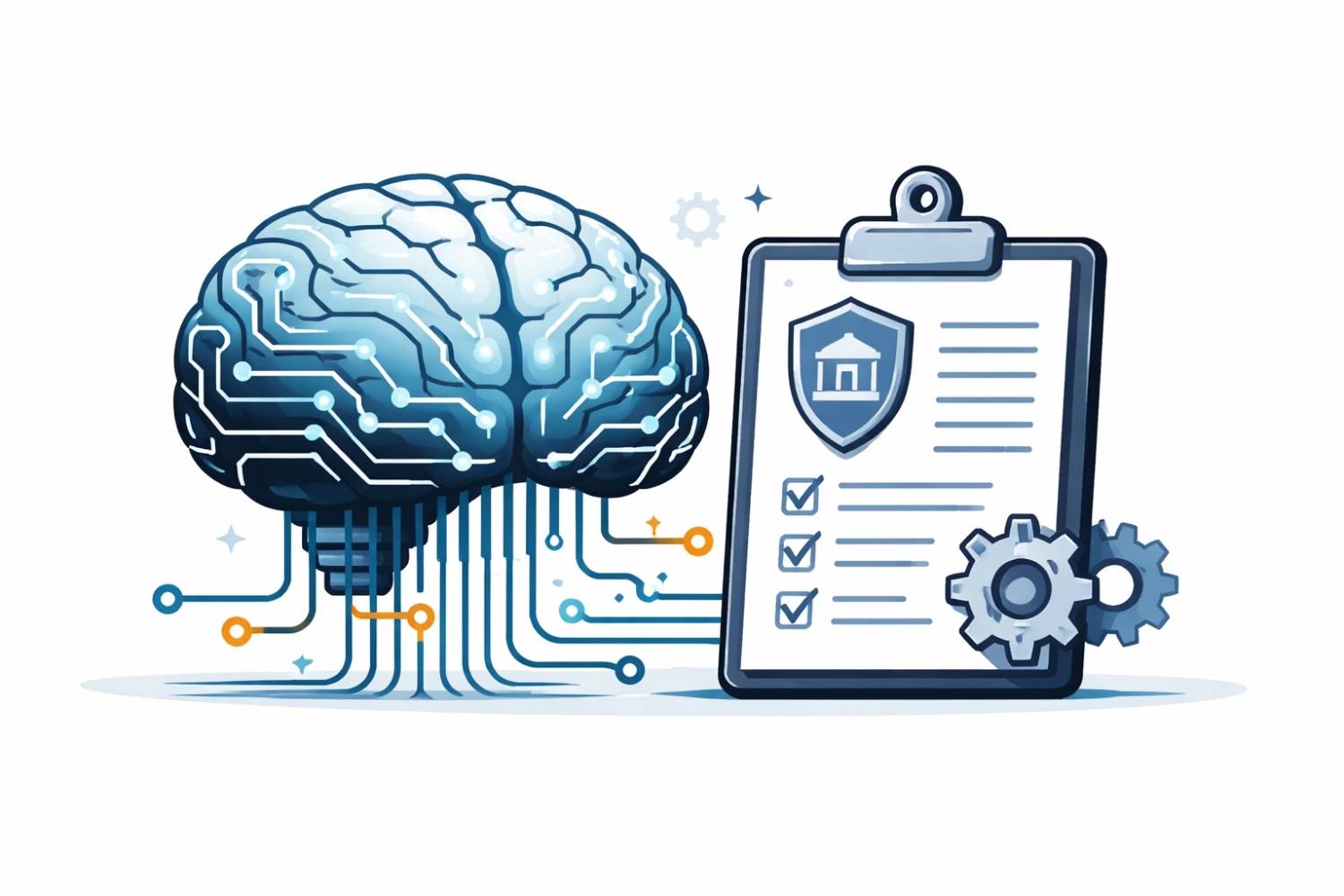
The United States is preparing a new set of strict rules for artificial intelligence (AI), a move that could reshape how global tech companies build and deploy advanced AI systems.
The proposed regulations aim to increase safety, transparency, and accountability in AI development. They come at a time when powerful AI tools are rapidly entering everyday life, raising concerns about misinformation, job disruption, and national security risks.
For global technology firms including companies that operate in India the new rules could bring major changes in compliance research practices and product development.
Why the US Is Introducing New AI Rules
Artificial intelligence has become one of the fastest growing technologies in the world. Tools powered by AI are now used in areas such as healthcare finance education software development and online search.
However the rapid growth of AI has also created concerns among governments and regulators.
Key concerns include the spread of AI generated misinformation risks to data privacy the use of AI in cybersecurity and military applications potential bias and discrimination in automated systems and the impact of automation on jobs and economies.
Because many leading AI developers are based in the United States policymakers believe stronger oversight is necessary to prevent misuse while still allowing innovation.
The new draft rules are designed to ensure that powerful AI systems are tested and monitored before they are widely released.
Focus on Safety Testing for Advanced AI Systems
One of the most important parts of the proposed rules is the requirement for mandatory safety testing.
Companies developing powerful AI models may be required to conduct risk assessments before launching new AI systems test systems for security vulnerabilities evaluate risks related to misinformation cyberattacks and harmful outputs and share certain safety information with regulators.
The idea is similar to safety checks used in industries such as aviation or pharmaceuticals where new products must pass strict tests before reaching the public.
Regulators believe AI systems that can generate text images or code at large scale need similar oversight.
Transparency Requirements for AI Developers
Another key part of the new rules focuses on transparency.
Tech companies may have to provide clearer information about how their AI models are trained the types of data used known risks or limitations of the system and steps taken to reduce bias or harmful content.
This move is meant to help governments researchers and the public better understand how AI systems make decisions.
Transparency has become a major issue because many advanced AI models operate as “black boxes” meaning their internal decision making processes are difficult to interpret.
Accountability for Harmful AI Use
The proposed rules also focus on accountability when AI systems cause harm.
Regulators are exploring ways to ensure that companies remain responsible if their AI tools are used for fraud large scale misinformation cybercrime or deepfake content.
The rules may require companies to implement strong monitoring systems and safeguards to reduce these risks.
For example AI developers may need to detect and limit the creation of harmful content generated by automated systems.
Impact on Major Global Tech Companies
The new AI regulations are likely to affect several major technology companies developing large AI systems.
This includes firms such as OpenAI Google Microsoft Amazon and Meta.
These companies are investing billions of dollars in AI research and infrastructure.
Stricter oversight could require them to increase investment in safety research change how AI models are trained and released work more closely with government regulators and conduct additional testing before product launches.
Although large firms may have the resources to meet these requirements smaller AI startups could face greater challenges.
Global Effects on the AI Industry
The impact of US AI regulations will likely extend far beyond the country’s borders.
Because many global AI platforms operate internationally new US rules could influence how AI is developed worldwide.
Several possible global effects include higher global safety standards for AI development more government regulation in other countries increased pressure on companies to adopt responsible AI practices and slower but more controlled AI product releases.
Countries in Europe and Asia are already working on similar regulations.
For example the European Union’s AI Act is one of the most comprehensive AI regulatory frameworks currently being developed.
Together these policies could create a global shift toward stricter oversight of artificial intelligence technologies.
Implications for India’s Growing AI Sector
India is one of the fastest growing markets for artificial intelligence adoption.
AI is increasingly used in sectors such as banking and financial services healthcare diagnostics agriculture technology education platforms and ecommerce and logistics.
Because many AI tools used in India are developed by international companies US regulations could indirectly influence the Indian tech ecosystem.
Indian startups and IT companies may also need to adopt stronger safety and transparency practices if they work with global AI partners.
In addition policymakers in India are already discussing how to regulate AI responsibly while supporting innovation.
Experts believe that global developments in AI governance will play an important role in shaping India’s future policies.
Balancing Innovation and Regulation
One of the biggest challenges for regulators is finding the right balance between innovation and safety.
AI is expected to contribute significantly to the global economy.
Industry reports estimate that artificial intelligence could add trillions of dollars to global GDP in the coming decades.
However without proper safeguards experts warn that AI systems could also create serious social and economic risks.
The new US rules aim to address these concerns while still encouraging companies to develop new technologies.
Supporters argue that clear regulations may actually help the industry by creating trust among users and governments.
Tech Industry Reaction to Proposed Rules
The technology industry has responded cautiously to the idea of stronger AI oversight.
Some companies have already begun investing in AI safety research and responsible development practices.
At the same time industry leaders have warned that overly strict rules could slow innovation or make it harder for startups to compete.
Many experts believe that cooperation between governments companies and researchers will be necessary to build effective AI governance systems.
International collaboration may also be required because AI development is increasingly global.
What Happens Next
The proposed US AI regulations are still in the draft and consultation stage.
This means policymakers will review feedback from industry experts and researchers changes may be made before the rules become final and implementation timelines may vary depending on the policy process.
If adopted the rules could become one of the most influential AI regulatory frameworks in the world.
The coming months will be important as governments technology companies and research institutions debate how to manage the rapid growth of artificial intelligence.
The Bigger Picture for AI Governance
Artificial intelligence is entering a new phase where regulation is becoming as important as innovation.
Governments around the world are now trying to answer key questions.
How should powerful AI systems be monitored
Who is responsible when AI causes harm
How can countries prevent misuse without blocking technological progress
The US proposal signals that policymakers are moving toward stronger oversight of advanced AI technologies.
For the global tech industry including companies in India the message is clear.
The future of AI will not only depend on technological breakthroughs but also on how governments shape the rules of the digital age.
Disclaimer: The information presented in this article is intended for general informational purposes only. While every effort is made to ensure accuracy, completeness, and timeliness, data such as prices, market figures, government notifications, weather updates, holiday announcements, and public advisories are subject to change and may vary based on location and official revisions. Readers are strongly encouraged to verify details from relevant official sources before making financial, investment, career, travel, or personal decisions. This publication does not provide financial, investment, legal, or professional advice and shall not be held liable for any losses, damages, or actions taken in reliance on the information provided.
edited by D Rishidhar
About The Author