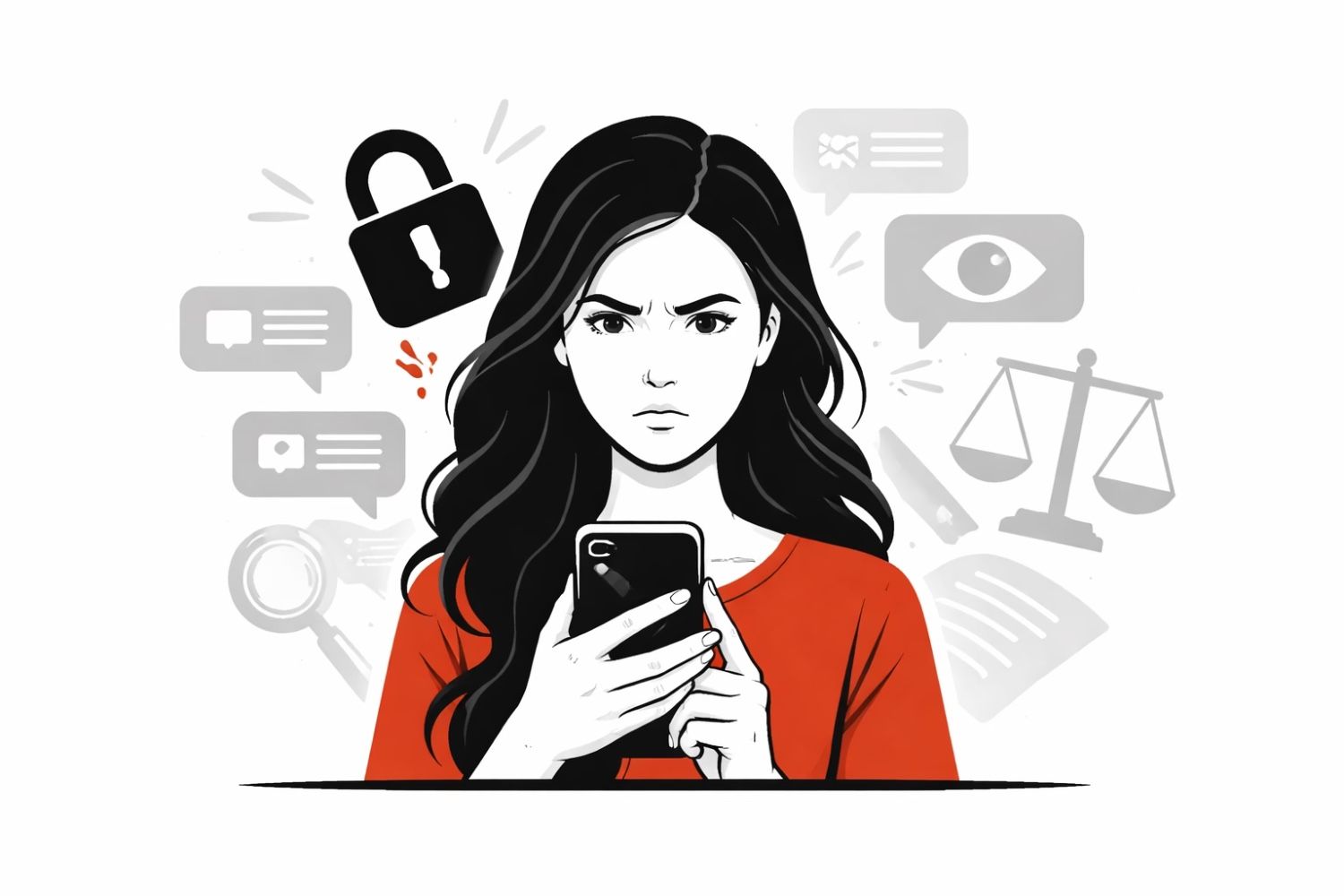
The online circulation of alleged private messages linked to actor Rashmika Mandanna has sparked a major discussion about privacy, digital ethics, and celebrity harassment in India.
Screenshots that claim to show a private conversation involving the actor began spreading widely on social media platforms earlier this week. Soon after the posts started trending, Mandanna indicated that she may take legal action against those responsible for sharing or manipulating the material.
The controversy has drawn significant attention from fans, entertainment observers, and legal experts, especially as concerns around digital privacy and misinformation online continue to grow.
Alleged Chat Screenshots Spread Rapidly on Social Media
The issue began when unverified screenshots of what appeared to be a private chat conversation surfaced across multiple social media platforms.
The images were widely shared on platforms such as X formerly Twitter, Instagram, and messaging groups. Within hours, the posts began trending and quickly reached large audiences.
However, the authenticity of the screenshots has not been independently verified.
Entertainment reporters and digital safety experts have cautioned users against sharing such material, pointing out that edited screenshots and fabricated conversations are increasingly common online.
As the posts continued to circulate, discussions intensified among fans and media outlets about whether the images were genuine or manipulated.
Actor Signals Possible Legal Action
Amid the growing online speculation, Mandanna responded publicly to the controversy.
The actor indicated that the circulation of private or fabricated messages could lead to legal consequences. Such responses are increasingly common among public figures who face misinformation or privacy violations on social media.
Legal experts say that Indian laws allow individuals to take action if private communications are leaked without consent or if false information damages a person’s reputation.
In similar cases in the past, celebrities have relied on provisions under information technology laws related to data misuse, defamation laws, and privacy protections under Indian legal frameworks.
Mandanna’s response suggests that legal notices or complaints could follow if the situation escalates.
Rising Concern Over Digital Privacy Violations
The controversy highlights a broader issue that has become common in the digital age. The rapid spread of unverified personal content online.
Experts say celebrities often face unique challenges because private material can quickly become viral content. Once such posts begin circulating widely, it becomes difficult to control their spread.
Digital rights specialists warn that screenshots can easily be edited or fabricated. False content can spread within minutes across multiple platforms. Reputational damage can occur even before facts are verified.
This situation has led many public figures to pursue legal action against those who share misleading or harmful content online.
Fans and Industry Figures React to the Controversy
The alleged chat leak quickly became a topic of debate among fans of the actor.
Supporters of Mandanna urged social media users to avoid sharing unverified material. Others called for stronger action against accounts that spread private or manipulated information.
Several entertainment industry observers also highlighted the need for greater responsibility on social platforms.
Many fans pointed out that celebrities are increasingly vulnerable to deepfakes, edited screenshots, and misinformation campaigns. These issues can affect both their professional and personal lives.
A Pattern of Online Harassment in the Film Industry
Mandanna is not the first actor to face online controversies involving leaked or manipulated content.
In recent years several actors across Indian film industries have dealt with similar situations where private chats images or videos were allegedly leaked or altered.
In many cases investigations later found that the material was either misleading edited or completely fabricated.
These incidents have renewed calls for stronger cybercrime enforcement and faster removal of harmful content from social media platforms.
Experts argue that the speed of viral content often outpaces fact checking making reputational damage difficult to reverse.
Legal Experts Explain Possible Consequences
If the alleged chat leak leads to a formal complaint individuals responsible for creating or spreading the content could face legal consequences under Indian law.
Legal professionals note that several provisions may apply in such cases including those related to cybercrime identity misuse online harassment and defamation.
Courts have increasingly recognized that digital harassment can have serious psychological and professional consequences especially for public figures.
Authorities also encourage victims of online harassment to file complaints with cybercrime cells which have been strengthened in recent years.
The Growing Debate Over Online Accountability
The controversy surrounding Mandanna has again sparked debate about accountability on social media platforms.
Experts say that platforms have taken steps to address misinformation but challenges remain because of the massive volume of content shared every day.
Once viral posts spread widely they often continue circulating even after being flagged or removed.
This raises questions about how platforms can balance free expression with protection against harassment and misinformation.
Impact on Celebrity Reputation and Public Perception
For actors and public figures online controversies can have significant consequences.
A viral post or rumour can influence public perception sometimes affecting professional opportunities and endorsements.
Industry analysts say that actors today must deal not only with media scrutiny but also with fast moving social media narratives.
Because of this many celebrities now work closely with legal teams and digital monitoring agencies to track harmful content and respond quickly when controversies arise.
Why the Issue Matters Beyond Celebrity News
While the story involves a well known actor the broader issue goes beyond the entertainment industry.
Digital privacy advocates say the incident highlights an important lesson for everyone. Private messages and personal information can be misused online.
The case also shows how quickly unverified content can shape online discussions even when the authenticity of the material is uncertain.
Experts advise users to avoid sharing or forwarding such posts until reliable verification is available.
What Happens Next
At the time of writing the alleged screenshots remain unverified and no official investigation details have been publicly confirmed.
However Mandanna’s indication that she may pursue legal action suggests that the issue could move into a formal legal process if complaints are filed.
Observers say the situation will likely develop further depending on whether the source of the leak is identified whether authorities receive a formal complaint and whether social media platforms remove the viral posts.
Until then the controversy continues to fuel discussions about digital responsibility privacy protection and the challenges of misinformation in the social media era.
The Bigger Picture
The episode involving Rashmika Mandanna is another reminder of how modern celebrity culture intersects with the risks of the internet age.
For public figures a single viral post can quickly become a national talking point. At the same time the incident raises larger questions about how society handles privacy online ethics and accountability in the digital world.
As debates around online safety continue many experts say stronger awareness responsible sharing and legal safeguards will be key to preventing similar incidents in the future.
Disclaimer: The information presented in this article is intended for general informational purposes only. While every effort is made to ensure accuracy, completeness, and timeliness, data such as prices, market figures, government notifications, weather updates, holiday announcements, and public advisories are subject to change and may vary based on location and official revisions. Readers are strongly encouraged to verify details from relevant official sources before making financial, investment, career, travel, or personal decisions. This publication does not provide financial, investment, legal, or professional advice and shall not be held liable for any losses, damages, or actions taken in reliance on the information provided.
edited by D Rishidhar Reddy
About The Author