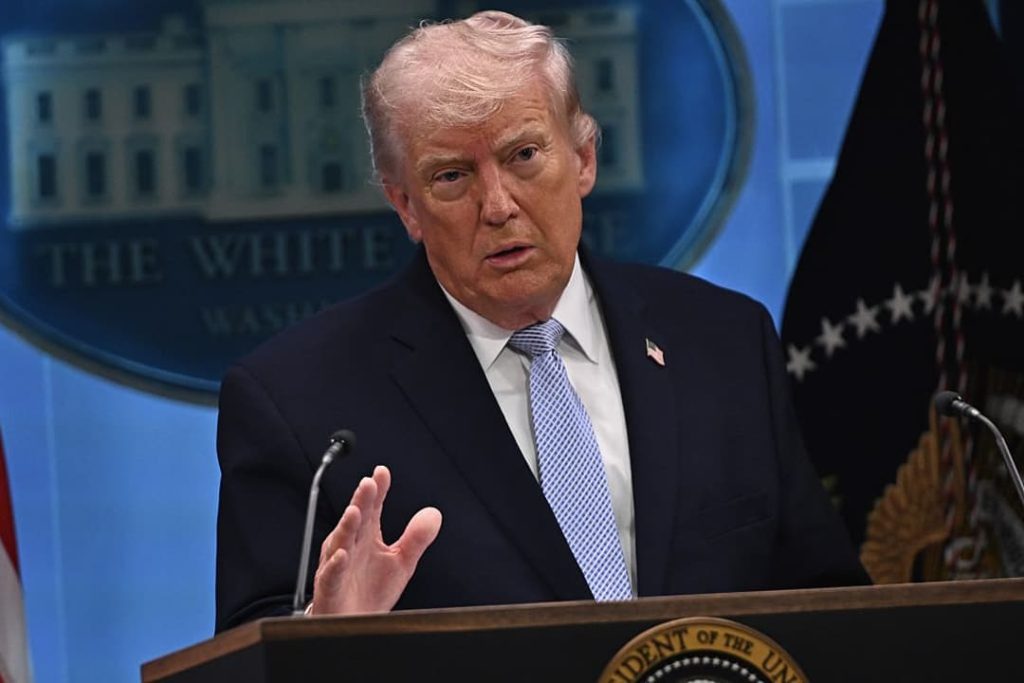
Washington expands economic pressure on Tehran by targeting a major oil shipping network linked to regime insiders, amid continued disruption in the Strait of Hormuz.
Washington, April 16: The United States has announced a fresh round of sanctions on Iran’s oil sector, intensifying economic pressure on Tehran as shipping disruptions in the Strait of Hormuz continue to unsettle global energy markets. The latest measures focus on a network of individuals, companies, and vessels accused of facilitating Iranian oil exports in violation of existing restrictions.
Key Announcements
According to the US Treasury Department, the sanctions target more than two dozen people, firms, and ships linked to an oil transportation network allegedly operated by Mohammad Hossein Shamkhani. Officials say the network has been involved in moving Iranian crude through complex shipping and corporate structures designed to bypass sanctions.
The action also includes sanctions against Iranian financier Seyed Naiemaei Badroddin Moosavi and three associated companies. US authorities allege that these entities were involved in moving proceeds from Iranian oil sales into transactions involving Venezuelan gold.
Official Statement
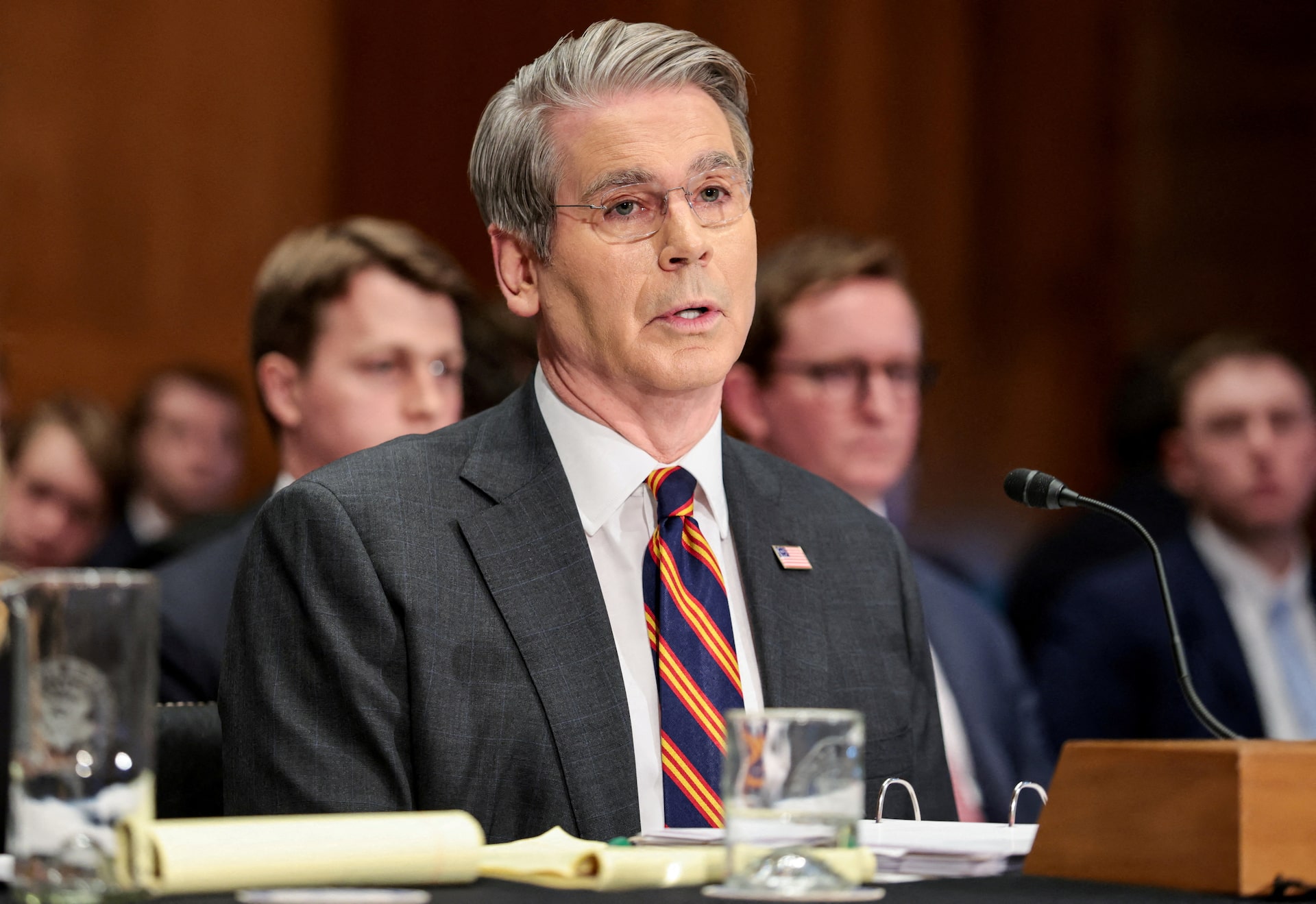
US Treasury Secretary Scott Bessent said the move forms part of Washington’s intensified economic campaign against Tehran.
In its official statement, the Treasury said the sanctions are intended to “decisively limit Iran’s ability to generate revenue,” particularly as tensions around the Strait of Hormuz remain high.
The State Department separately said the measures are aimed at restricting Iran’s ability to fund activities linked to regional instability and continued pressure on maritime trade routes.
Why This Matters
The Strait of Hormuz is one of the world’s most strategically important shipping lanes, carrying a significant share of global oil supplies. Any disruption in the narrow waterway can quickly affect international crude prices, freight costs, and fuel inflation across major economies, including India, China, and Europe.
The latest sanctions come as global oil markets remain highly sensitive to developments in the Middle East. Continued disruption in Hormuz has already contributed to volatility in crude prices and renewed concerns over supply shortages.
Background and Context
The US has steadily increased sanctions pressure on Iran’s energy exports in recent months. Earlier temporary waivers that allowed limited transactions involving oil already in transit are now being phased out, signalling a return to a stricter sanctions regime.
The latest measures also reflect Washington’s broader strategy of using financial restrictions and trade controls as key tools to pressure Tehran without direct military escalation.
Public and Global Impact
The sanctions are expected to have implications beyond Iran. Countries dependent on imported crude may face higher procurement costs if supply disruptions worsen. Financial institutions and shipping firms operating in the Gulf region are also likely to face increased compliance scrutiny.
For consumers, prolonged instability in Hormuz could translate into higher fuel prices and inflationary pressure on transportation and logistics.
What Comes Next
Diplomatic efforts and backchannel discussions on de-escalation are reportedly continuing, even as economic pressure intensifies. Analysts say the coming days will be crucial in determining whether the sanctions push Tehran toward negotiations or further harden its stance.
With global energy markets closely watching developments, the Strait of Hormuz remains a key flashpoint with far-reaching economic consequences.
inputs and images : Hindustan samachar
Add indianewsjournal.in as a preferred source on google – click here
Edited By D.Rishidhar Reddy
About The Author