
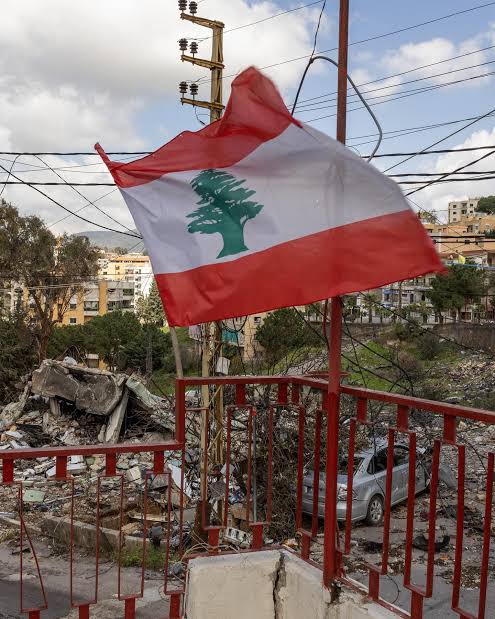
Fresh Israeli air and drone strikes were reported across southern Lebanon and the Bekaa Valley early Monday, raising renewed concerns over the stability of the recently brokered 10-day ceasefire between Israel and Lebanon. Civilian casualties, including a woman and two children, were reported in the Bekaa region.
Beirut, April 21: A fragile ceasefire between Israel and Lebanon has come under renewed strain after multiple air and drone strikes were reported in southern Lebanon and the Bekaa Valley, according to Lebanese state media and local officials.
The latest attacks come just days after a 10-day truce took effect on April 16 under international mediation, aimed at halting hostilities and creating space for further diplomatic negotiations.
Strikes Reported in Southern Lebanon
Lebanon’s National News Agency (NNA) reported that several towns in the country’s south were targeted in the past few hours.
Among the areas reportedly hit were Kaakaiyat al-Jisr, where a drone strike landed near the Litani River, as well as Shama in the Tyre district and Tayyiba in the Marjayoun region. Additional strikes were also reported in areas between Al-Qusayr and Al-Qantara.
As of publication, no official casualty figures had been released from these locations. However, the strikes have intensified concerns that the ceasefire remains highly unstable.
Woman, Two Children Killed in Bekaa Valley
In a separate and more severe incident, an early morning airstrike in Sohmor, located in Lebanon’s Bekaa Valley, reportedly killed a woman and her two children at around 3:30 a.m. local time.
Local reports said the blast caused extensive destruction, with the force of the explosion throwing the victims’ bodies away from the impact site. The children’s father was reported to be in critical condition and is currently undergoing treatment at a nearby hospital.
Heavy structural damage was also reported in the Mashghara area, suggesting that the strike had a significant impact on civilian infrastructure as well.
Ceasefire Faces Fresh Questions
The reported strikes have cast fresh doubt on the effectiveness of the ongoing ceasefire, which was announced as a temporary 10-day cessation of hostilities between the two sides.
Under the terms of the agreement, both Israel and Lebanon were expected to halt offensive military operations while diplomatic talks continued over border security and regional stability. However, reports of shelling and aerial attacks have surfaced repeatedly since the truce began.
No Official Israeli Response Yet
As of now, Israel has not issued an official statement specifically addressing the latest reported strikes.
In previous instances, Israeli authorities have said operations in Lebanon are aimed at militant infrastructure and cross-border threats. However, repeated reports of civilian casualties have prompted renewed international calls for restraint and full compliance with the ceasefire terms.
Why This Matters
The latest escalation is significant because it threatens to derail one of the few recent diplomatic efforts aimed at easing tensions in the region.
The ceasefire was intended not only to pause military operations but also to lay the groundwork for broader discussions on border security, civilian safety, and long-term de-escalation.
With civilians once again caught in the violence, pressure is expected to mount on international mediators to prevent a wider collapse of the truce.
What Comes Next
Diplomatic talks between the concerned parties are expected to continue in the coming days.
Whether the ceasefire can survive the latest round of strikes may depend on both sides’ willingness to return to negotiations and avoid further military escalation.
inputs and images : Hindustan samachar
Add indianewsjournal.in as a preferred source on google – click here
Edited By D.Rishidhar Reddy
About The Author